Home About Materials Curriculums Planning Pedagogy Articles Experiences Services
EduMundi · Education Resources

EduMundi: A Hundred Languages
Discovering the World

EduMundi offers education resources for your classroom or school — curriculums inspired by methodologies like Montessori and Reggio Emilia, with all the materials needed for each session linked directly; materials for different subjects and grades; planning sets to organize your work; and much more.

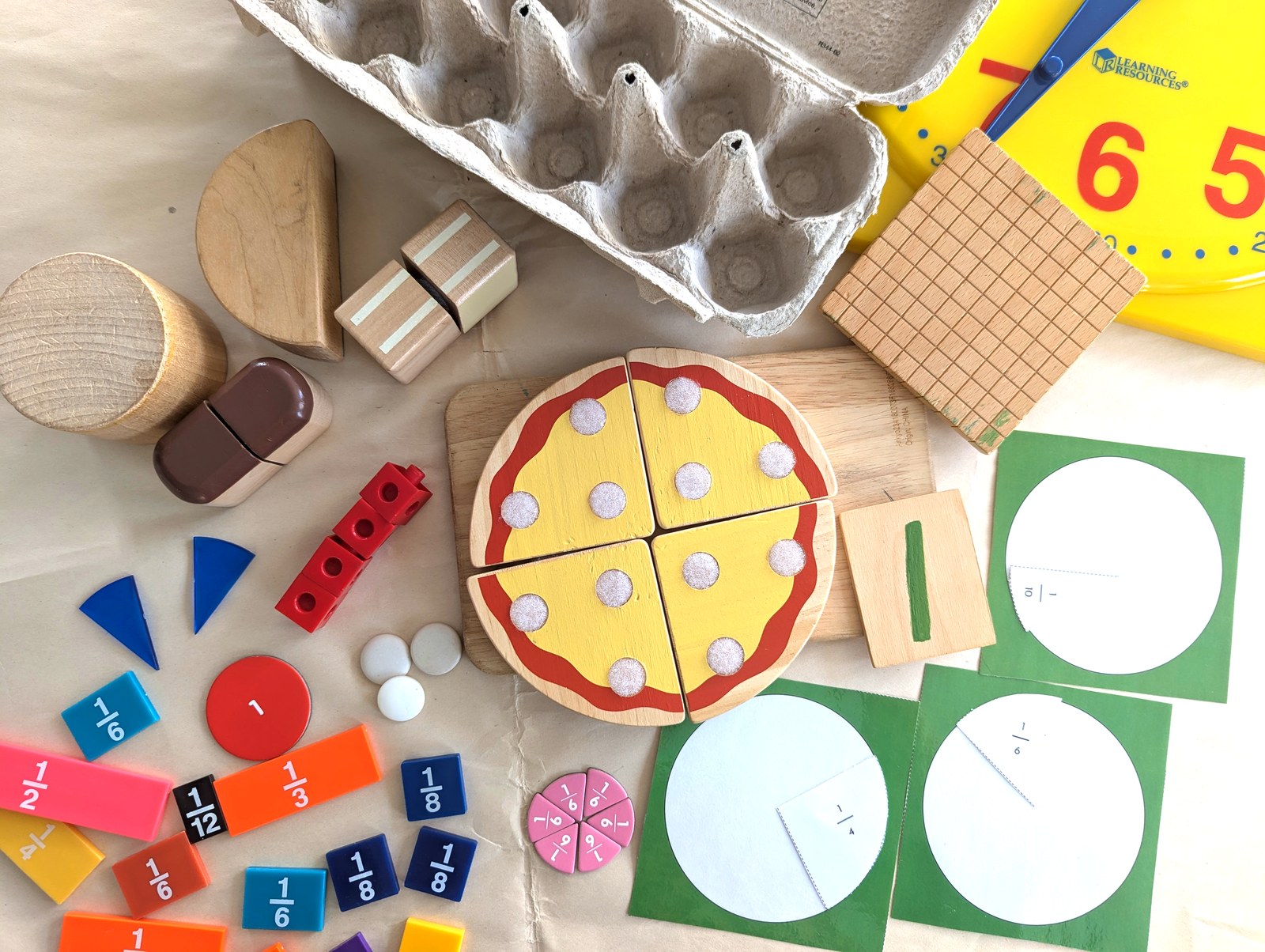
Classroom math manipulatives — fraction tiles, wooden pizza, base-10 blocks, and more — laid out on a table
By Maria Galí Cabana · 5th Grade · Fractions unit
"Children are capable, creative, and smart — my role is to walk alongside them, challenge them just enough, and make sure they always feel safe and cared for." — Maria · Teacher, Curriculum Developer, Program Director
Planning Templates
Monthly Calendar 2026–2027 — Light

14 monthly planning pages for the 2026–2027 school year. Peach, blue, green, yellow & pink palette. Same content as the dark version — only colors differ.

EN 14 pages · A4 landscape
Open & Print →
1st & 2nd Grade · Mathematics
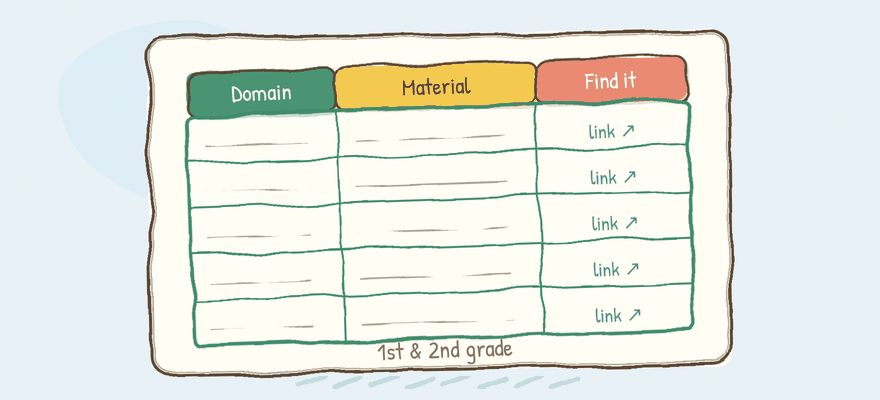
Math - Some materials you may want for 1st and 2nd Grade
Preview of 1st & 2nd Grade math materials table
EN Early Elementary
View Materials →
Plantilla d'Agenda
Agenda de Mestra 2026–2027

Agenda completa per a mestres — portades, horaris setmanals i mensuals, calendari anual, graelles d'avaluació i observació per a 25 alumnes, registre d'entrevistes familiars, notes i molt més. Dissenyada per imprimir i enquadernar com a agenda física de curs.

CA 140+ pàgines · A4 vertical
Obrir i imprimir →
EduMundi · Teaching & Leading Education

Teaching Philosophy & Professional Profile

Elementary educator · Montessori specialist · Curriculum developer · Program Director · 15+ years
Montessori · Ages 6–12 B.A. Elementary Education M.A. Educational Psychology Anthropic AI for Educators Leading Teams, School Strategy, and Innovation 15+ Years Experience
EduMundi · About

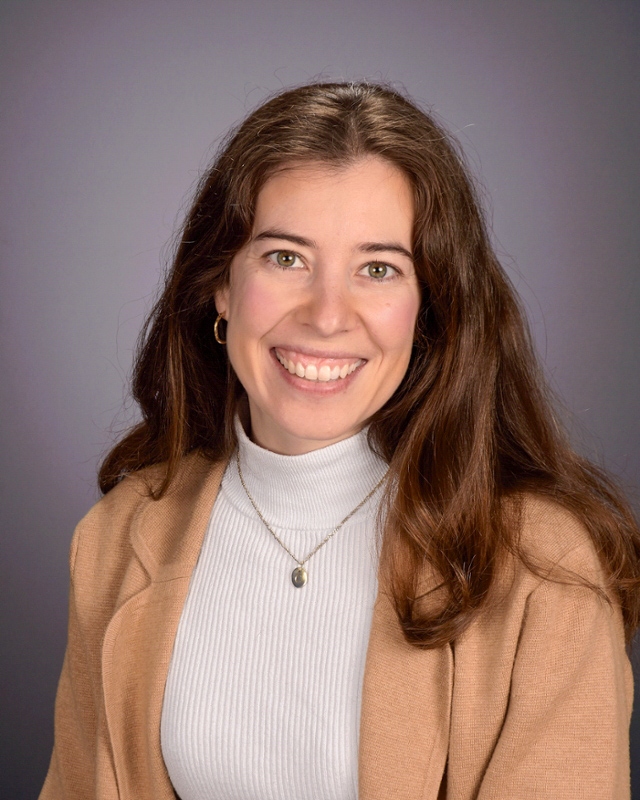
About Me: Maria

"Children are capable, creative, and smart — my role is to walk alongside them, challenge them just enough, and make sure they always feel safe and cared for."

More than fifteen years ago, I walked into my first classroom with a stack of lesson plans and the certain belief that good teaching meant clear explanations and attentive students. What I found instead was something far richer and more demanding: children who were already making sense of the world in extraordinary ways, and who needed a partner willing to listen, follow, and challenge — not a lecturer at a board.

Today I work at the intersection of Montessori, Reggio Emilia, and several other progressive pedagogical traditions, always asking the same core question: what does this child need, right now, to take their next step? That question is the heartbeat of what I call responsive challenge — calibrating academic rigor so that no child is bored and no child is overwhelmed. I follow Vygotsky’s zone of proximal development not as a theory on a shelf, but as a daily compass. Growth happens at the edge of what a child can already do, and reaching that edge requires trust — in the space, in the teacher, and in themselves. While most of my experience is rooted in elementary education, I’ve also taught in early childhood and middle school settings, and have led programs spanning the full scope and sequence, supporting learners and teams across all age groups.

My curriculum design reflects that belief. A well-designed curriculum is not a single track — it is a landscape. I build deliberate variations, alternative routes, extensions, and adapted sequences into every unit, because children move at different paces and in genuinely different ways.

I hold a Montessori certification for ages 6 to 12, and I draw deeply on Reggio Emilia’s image of the child as a capable, curious, active constructor of knowledge. I also bring Decroly’s centers of interest, Freinet’s cooperative techniques, and project-based learning into conversation with each other, choosing from the best each tradition offers in service of the whole child.

Academic strength and social emotional intelligence grow together in my classrooms and programs. Conflict resolution, self-awareness, and emotion regulation are not add-on programs: they are woven into the fabric of how we live together every day. Children learn to communicate effectively by first learning to know themselves. As they grow older, I introduce structured debate, source analysis, and critical inquiry, because the world they are entering requires exactly that. This is something that should be rooted in the school culture, not only in a few classrooms, this is why as a Program Director I aim to work collaboratively with all educators to achieve these goals. Transparency, clear objectives and actions, and kind empathic communication are my core values when leading a team.

I believe children deserve beautiful, intentional environments, genuine inclusion, and an education that reaches beyond the walls of the classroom into their communities and into the world. Education, as Maria Montessori understood it, is not preparation for life — it is life, lived with full attention and full respect for every child in the room.

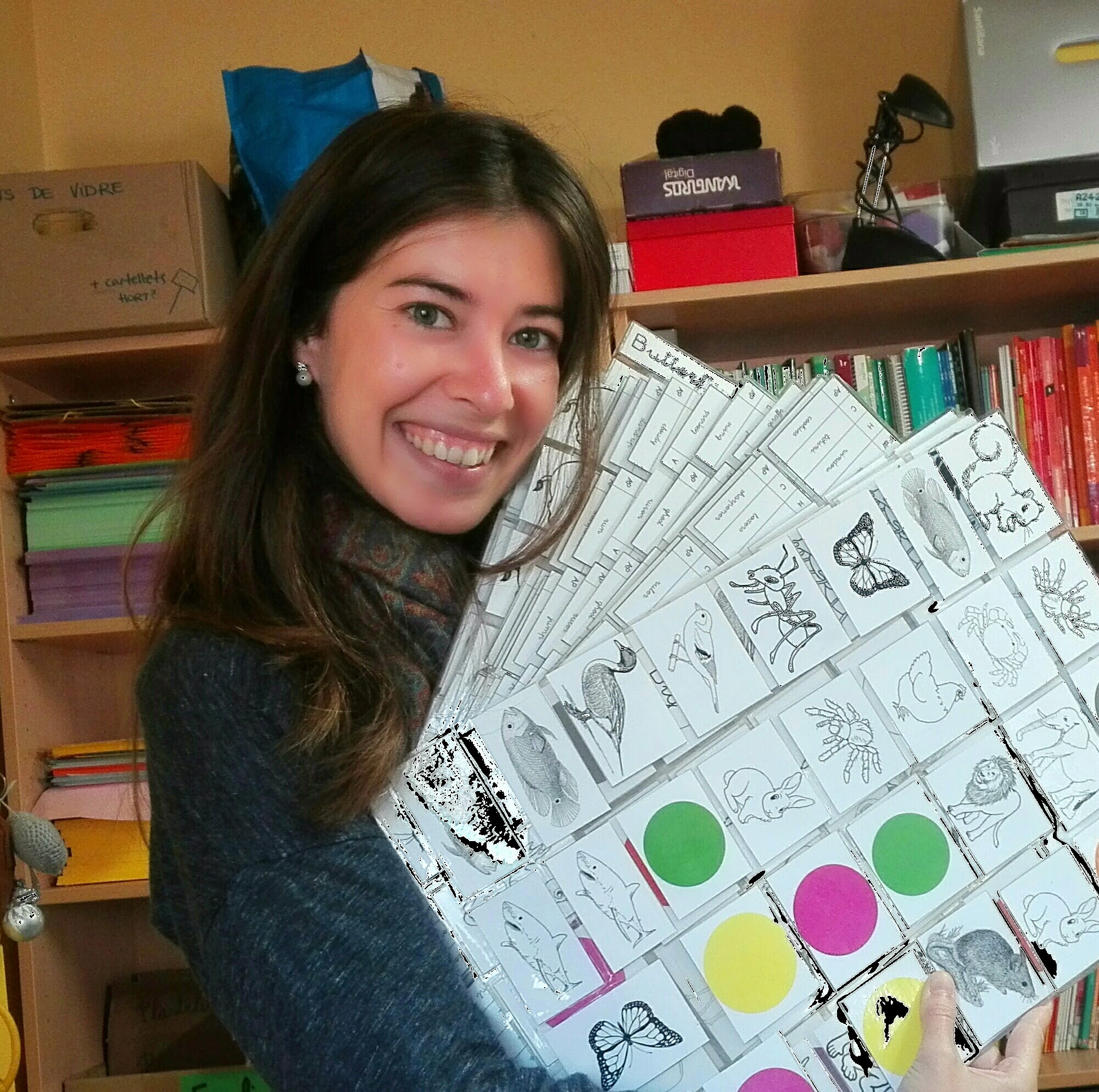
Maria Galí Cabana creating classroom materials in 2012 at Jesuïtes Educació, Barcelona
Maria creating materials in 2014 · Jesuïtes Educació, Barcelona
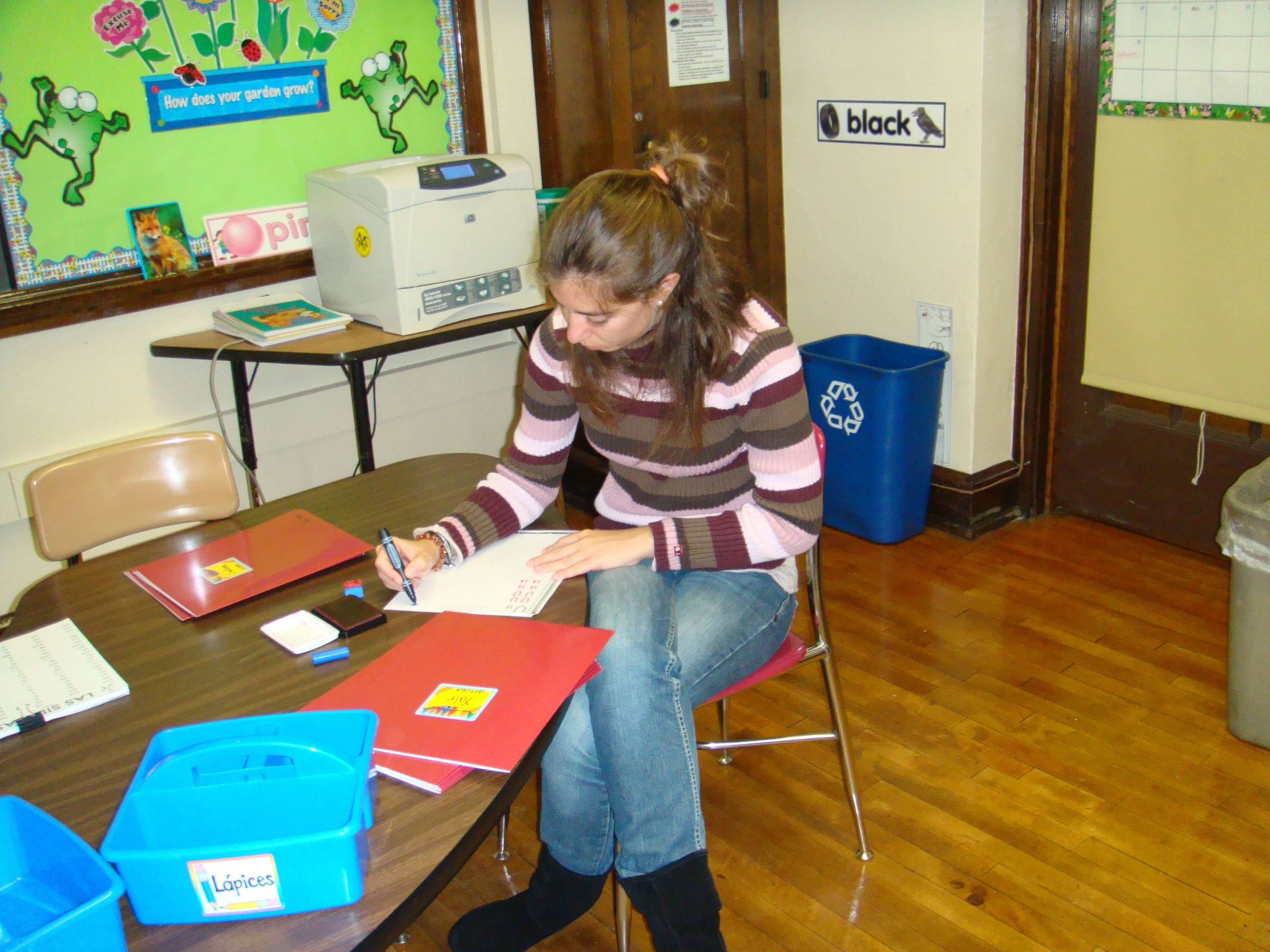
Maria at Windom Dual Immersion School, MN
Maria in 2010 · Windom Dual Immersion School, MN
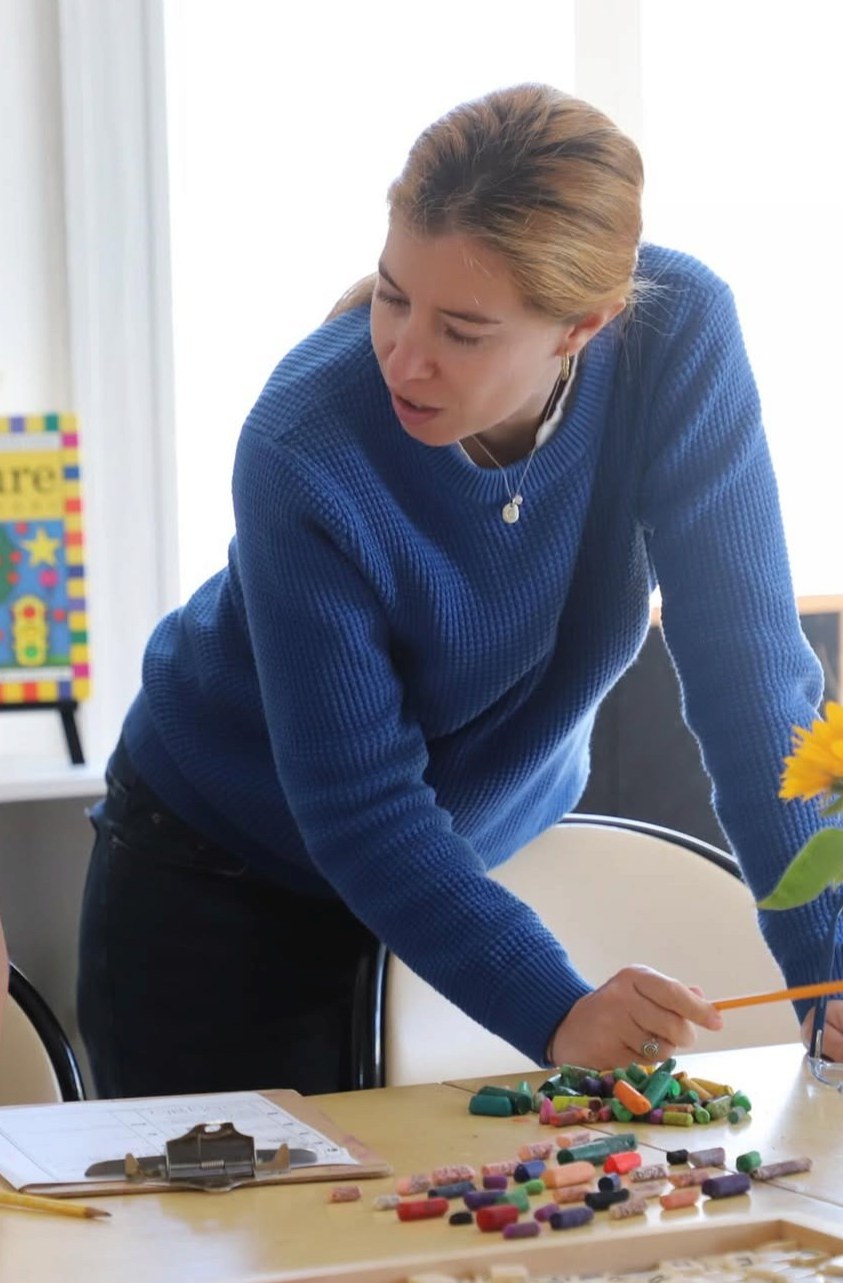
Maria in 2025 at Katherine Michiels School, SF
Maria in 2025 · Katherine Michiels School, SF
Maria Galí Cabana — educator and curriculum developer
Maria Galí Cabana · Mission Montessori School, SF

Credentials

Montessori
Ages 6–12
B.A.
Elementary Ed.
M.A.
Educational Psych.
AI Certificate
Anthropic

Methodological Foundations

  • Montessori Certified
  • Reggio Emilia
  • Decroly & Freinet
  • Vygotsky / ZPD
  • Project-based learning
  • Community service education
  • Rural & multi-age models

Core Values

Responsive challenge Whole-child approach Differentiated pathways SEL integration Education for peace Inclusion & belonging Critical thinking Ethical tech use Transparent leadership

Languages

  • English
  • Català
  • Spanish
EduMundi · About

About the Website

EduMundi is a living resource — a place where pedagogy, classroom practice, and professional thinking meet. Each section is designed to be useful to educators, families, and anyone curious about what thoughtful, child-centred education looks like in practice.

About

Who I am as an educator and how I built this website.

Materials

Printable materials organized by subject, educational level, and language (Catalan, English, and Spanish). Section under constant construction.

Curriculum

Course plans across different subjects with goals, activities, linked materials, social-emotional resources, questions to develop critical thinking from an early age, and much more. Section under constant construction.

Planning

Teacher planners, weekly and monthly calendars, and a wide range of planning templates — for both classroom teachers and school leadership teams (team meetings, parent meetings, observation and assessment grids, etc.)

Pedagogy

Theoretical frameworks behind the values and methodologies of this website: Maria Montessori, Reggio Emilia, Vygotsky, Freinet, Decroly, Alexandre Galí, and more.

Articles

Written reflections, essays, and publications on education, leadership, and classroom life — gathered from across the web and from the author's own writing.

Experiences

Documented classroom moments, learning stories, and observations from real practice. A living record of children’s thinking, rooted in the Reggio Emilia tradition of documentation.

Services

Consulting, curriculum development, professional development workshops, and program leadership support. Coming soon.

EduMundi · About

About AI

EduMundi is an honest project — and part of that honesty means being transparent about how it was made. This website, and a significant portion of its content, were created through a genuine collaboration between human thinking and artificial intelligence.

I hold an Anthropic AI Certificate for Educators, and I believe that understanding AI tools — how they work, what they can and cannot do, and how to use them thoughtfully — is part of what it means to be an educator today. This website is, among other things, a demonstration of that belief in practice.

The curriculum units, classroom materials, design, and text on this site were developed through an iterative, ongoing conversation between myself and two AI tools: Claude (via Cowork) and ChatGPT. Every pedagogical decision, every choice of methodology, every value embedded in these materials reflects my professional judgment — but the drafting, structuring, designing, and building were done in close collaboration with AI.

The Tools Used

Claude · Cowork
Used for curriculum development, classroom material design, HTML production, and building and maintaining this website. Claude Cowork worked directly with the project files and iterated on content alongside me in real time.
ChatGPT
Used for drafting, research, brainstorming, and refining written content — including philosophical framing, activity descriptions, and pedagogical explanations. Also contributed to logo design.
Maria (me)
Pedagogical authorship, professional judgment, content review, and final decisions on everything. The AI tools are collaborators — the expertise, values, and voice behind this site are mine.

Why I’m Being Transparent

There is ongoing debate in education about whether AI-assisted work is "authentic." My position is clear: transparency is what makes any work authentic. I used AI tools the same way I might use a co-author, a research assistant, or a design partner — to move faster, think more carefully, and build something I couldn’t have built alone in the same time. The thinking is mine. The collaboration is real. And I believe naming it matters.

I also believe that educators who are curious about AI should be able to see it modeled thoughtfully, not hidden. If you have questions about how I used these tools, or about AI in education more broadly, I would genuinely enjoy that conversation.

A note on content accuracy: All curriculum content, methodological references, and pedagogical claims on this site have been reviewed and verified by me. AI tools can make errors — my role is to catch them. If you notice anything that seems off, please reach out.
EduMundi · Resources

Materials

Classroom materials organized by grade and methodology
Methodology
Grade
Subject
Language
A note on methodology labels. Materials tagged Montessori or Reggio Emilia are inspired by these approaches — not official implementations. In Reggio Emilia, there are no fixed materials or curriculum: the curriculum is always emergent, co-constructed by children and teachers in response to genuine interests and questions. In Montessori, a deep and rigorous training is required to truly understand how the curriculum and materials work together and how to use them well with children. These labels reflect pedagogical inspiration and orientation, not institutional certification.
EduMundi · Course Plans

Curriculum

Lessons, units and course plans with direct links to classroom materials
Methodology
Grade
Subject
Language
A note on methodology labels. Curricula tagged Montessori or Reggio Emilia are inspired by these approaches — not official implementations. In Reggio Emilia, there are no fixed materials or curriculum: the curriculum is always emergent, co-constructed by children and teachers in response to genuine interests and questions. In Montessori, a deep and rigorous training is required to truly understand how the curriculum and materials work together and how to use them well with children. These labels reflect pedagogical inspiration and orientation, not institutional certification.
EduMundi · Planning

Planning

Planning templates for classroom teachers and program coordinators — print & use
Language
Planning Templates
Teacher Planning

Complete set of planning templates — monthly overview, weekly plan, unit plans, team and family meeting notes, Reggio documentation plan, reflection pages, and assessment tools. Designed to be printed as a physical planning binder.

EN 14 pages · A4 landscape
Open & Print →
Planning Templates
Coordinator & Program Director Planning

Seven-page planning set for coordinators and program directors — term overview, weekly coordination plan, team meeting notes, classroom visit records, staff development tracker, and program reflection. Designed to be printed as a planning binder.

EN 7 pages · A4 landscape
Open & Print →
Planning Templates
Monthly Calendar 2026–2027

Cover page and 13 monthly planning pages for the 2026–2027 school year — August 2026 through August 2027. Monday-to-Friday grid with date numbers and writing lines for each day. Dark green & terra color palette. Same content as the light version — only colors differ.

EN 14 pages · A4 landscape
Open & Print →
Planning Templates
Monthly Calendar 2026–2027 — Light

Cover page and 13 monthly planning pages for the 2026–2027 school year — August 2026 through August 2027. Monday-to-Friday grid with date numbers and writing lines for each day. Peach, blue, green, yellow & pink color palette. Same content as the dark green version — only colors differ.

EN 14 pages · A4 landscape
Open & Print →
Plantilla d'Agenda
Agenda de Mestra 2026–2027

Agenda completa per a mestres — portades, horaris setmanals i mensuals, calendari anual, graelles d'avaluació i observació per a 25 alumnes, registre d'entrevistes familiars, notes i molt més. Dissenyada per imprimir i enquadernar com a agenda física de curs.

CA 140+ pàgines · A4 vertical
Obrir i imprimir →

To print: open the template, then use File → Print or Ctrl+P (Cmd+P on Mac). Set paper to A4 and orientation to Landscape for best results.

EduMundi · Pedagogical Foundations

Pedagogy

Methodological traditions that inform thoughtful, child-centred education
Pedagogical Foundations · Methodology

Maria Montessori

1870–1952  ·  Physician, educator, humanist
"The greatest sign of success for a teacher is to be able to say, 'The children are now working as if I did not exist.'" — Maria Montessori

Biography

Maria Montessori was born on August 31, 1870, in Chiaravalle, in the Marche region of Italy. Against the expectations of her time, she pursued a scientific education, eventually becoming one of the first women to graduate from the University of Rome's School of Medicine in 1896 — a remarkable achievement in a society that actively discouraged women from entering such fields.

Her early clinical work brought her into contact with children who had been dismissed as ineducable — many of them living in psychiatric institutions, suffering from neglect more than any intrinsic deficit. Drawing on the work of earlier educators such as Édouard Séguin and Jean Itard, she began to develop specialized materials and carefully observe how children responded to them. What she found was transformative: when given a carefully prepared environment and the freedom to choose, children showed deep, sustained concentration and an innate drive to learn.

In 1907, she was invited to open a school for young children in the San Lorenzo neighbourhood of Rome — one of the city's most impoverished districts. She called it the Casa dei Bambini (Children's House). There, working with children aged three to six, she observed something extraordinary: children who concentrated for long, uninterrupted periods, who chose purposeful work, helped one another, and showed a dignity and inner peace that contradicted every assumption of the era. The method she developed through those observations became the foundation of what the world knows today as Montessori education.

Montessori spent the rest of her life refining her approach, training educators, writing, and traveling the world to establish schools and teacher training programs. She was nominated for the Nobel Peace Prize three times. In 1929, she co-founded the Association Montessori Internationale (AMI) in Amsterdam — the organization that continues to safeguard the integrity of her work today. She died in Noordwijk, the Netherlands, on May 6, 1952, at the age of 81.

Philosophy

At the heart of Montessori's philosophy is a profound respect for the child. She did not see children as incomplete adults to be shaped and filled with knowledge, but as human beings with an entirely different relationship to the world — one driven by an inner force of development that, if respected and supported, leads naturally to learning, growth, and moral formation.

Montessori identified what she called sensitive periods — windows of heightened receptivity in which a child is particularly drawn to certain types of learning: language, movement, order, the social world. These periods are biological and developmental, not pedagogical inventions. The teacher's work is to recognize them and provide the right environment at the right moment.

She also described the absorbent mind — the extraordinary capacity of the young child (especially from birth to age six) to take in the world effortlessly and unconsciously, in a way no adult can replicate. This was not a metaphor; it was her attempt to describe a genuinely different mode of learning that deserved a genuinely different kind of environment.

The concept of normalization — the state of deep, joyful focus that children enter when conditions allow it — was perhaps her most radical contribution to educational thought. Montessori argued that this concentrated, purposeful engagement is not a rare exception in children; it is their natural condition, routinely interrupted by adults who do not recognize it for what it is.

Methodology

The Montessori method rests on three interconnected elements: the child, the prepared environment, and the trained guide (whom Montessori called the directress).

The prepared environment is one of Montessori's most enduring contributions. Every element of the classroom is intentional — the size of the furniture, the organization and beauty of the materials, the orderliness of the space. The environment is designed to invite independence, support concentration, and allow children to make meaningful choices. Materials are arranged on low, open shelves; everything has a place and a purpose; nothing is arbitrary.

The Montessori materials themselves are designed to isolate specific concepts, allow for self-correction, and engage the child's senses and movement. They move from concrete to abstract, always following the child's developmental readiness. The Pink Tower, the Golden Beads, the Moveable Alphabet — each is a physical embodiment of a concept, designed so that children can discover the underlying idea through their own hands, not through instruction.

The three-hour uninterrupted work cycle is often misunderstood. Montessori observed that children need sustained, uninterrupted time to enter deep concentration. Cutting this cycle short, or constantly redirecting children, prevents normalization from occurring. Three hours is not arbitrary; it is the time, empirically observed, that children need to settle, choose, work deeply, and bring a cycle to its natural close.

Mixed-age groupings (typically spanning three years) mean that younger children learn from older ones, older children consolidate their understanding by teaching, and the social dynamic more closely resembles a community than a cohort of same-age peers. The diversity of the group is itself a resource.

Key Dates

1870Born in Chiaravalle, Italy
1896Graduated in medicine — among Italy's first women doctors
1907Opened the first Casa dei Bambini in San Lorenzo, Rome
1929Co-founded the Association Montessori Internationale (AMI)
1949Published The Absorbent Mind; nominated for Nobel Peace Prize
1952Died in Noordwijk, Netherlands, aged 81

Key Concepts

Prepared Environment Absorbent Mind Sensitive Periods Normalization Auto-education Work Cycle Mixed-age Groups Planes of Development The Directress Follow the Child Casa dei Bambini

Major Works

  • The Montessori Method (1912)
  • Pedagogical Anthropology (1913)
  • The Secret of Childhood (1936)
  • The Absorbent Mind (1949)
  • Education and Peace (1949)

Primary Resource

The Association Montessori Internationale (AMI), founded by Montessori herself, is the authoritative reference for her life and work. Visit montessori-ami.org for training, research, and deeper reading.
Pedagogical Foundations · Approach

Reggio Emilia & Loris Malaguzzi

Reggio Emilia, Italy  ·  Post-1945  ·  A community-born philosophy of education
"The child has a hundred languages, a hundred hands, a hundred thoughts, a hundred ways of thinking, of playing, of speaking." — Loris Malaguzzi, "No Way, The Hundred is There"

The Origins: A Community That Built Its Own Schools

The Reggio Emilia approach did not begin in a university or a government ministry. It began in the rubble of World War II. In April 1945, in the town of Reggio Emilia in northern Italy, a group of parents — mostly women — collected bricks, timber, and a German tank left behind in the fields, and with the proceeds from selling them, began to build a school. They wanted something different: a school that would help their children become free, critical thinkers who could rebuild a world that had just collapsed under fascism and war.

Loris Malaguzzi, then a young schoolteacher, heard about this remarkable community effort and rode his bicycle to see it. What he found changed the course of his life. He would spend the next five decades working alongside the parents, teachers, and children of Reggio Emilia to develop what became one of the most recognised pedagogical approaches in the world.

Loris Malaguzzi (1920–1994)

Loris Malaguzzi was born in 1920 in Correggio, a town near Reggio Emilia. He trained as a teacher and later studied psychology in Rome. He was deeply influenced by the work of Piaget, Vygotsky, Dewey, and Bruner — but he never applied any single theory dogmatically. His approach was always empirical, always rooted in the direct observation of children and an ongoing dialogue between theory and practice.

Malaguzzi resisted fixed frameworks and ready-made answers. What he offered instead was a set of profound questions: What are children capable of? What is education actually for? What kind of relationship between adults and children makes genuine learning possible? His most enduring contribution may be the concept of the "hundred languages" — the idea that children possess a vast multiplicity of expressive modes through which they think, communicate, and make sense of the world, and that a school's obligation is to honour all of them, not suppress ninety-nine in favour of one.

Malaguzzi also built remarkable institutions: a network of municipal infant-toddler centres and preschools governed by the city of Reggio Emilia, a pedagogical centre (Reggio Children) to support professional development and international dialogue, and a travelling exhibition — The Hundred Languages of Children — that brought the Reggio approach to audiences across the world. He died in 1994, having lived just long enough to see his work achieve global recognition.

Core Philosophy

The Reggio Emilia approach rests on a particular and very deliberate image of the child. The child is seen as a capable, curious, and active constructor of knowledge — not a passive recipient of adult instruction. Children come to school already full of theories, questions, and ways of making meaning. The teacher's work is not to replace these with correct answers, but to listen carefully, make children's thinking visible, and create conditions that allow it to deepen.

This image of the child carries deep ethical implications. Every design choice, every material, every schedule, every way a teacher positions herself in relation to children — all of it either respects or diminishes the child's capacity and dignity. Reggio schools are built around the conviction that this matters, and that getting it right requires continuous, collaborative professional reflection.

The approach is explicitly communitarian. It was born of a community's determination to build something together, and community remains central. Families are not merely informed about their children's learning — they are genuine partners in it. The broader city and community are resources, audiences, and co-educators. The school is not a sealed box; it is a porous institution embedded in the life of a place.

The Approach in Practice

Progettazione (emergent curriculum) is the Reggio alternative to the pre-planned lesson unit. Rather than mapping out what will be taught in advance, teachers begin with observation and listening — to children's questions, their spontaneous investigations, the themes that keep returning in their play and conversation. Curriculum emerges from what children actually bring. Planning is always provisional, always responsive to what is genuinely alive in the group.

Documentation is one of the most distinctive features of the approach. Teachers observe and record — through photographs, transcriptions of children's conversations, and collections of their work — the process of learning, not just its outcomes. This documentation is made visible: displayed in the environment, shared with families, and used by teachers as a tool for reflection. Documentation is not record-keeping; it is a pedagogical practice that makes learning visible to children, teachers, and families simultaneously.

The atelier (studio) and the atelierista (studio teacher) are unique features of Reggio schools. Every school has a dedicated studio space, richly supplied with materials for art, construction, and exploration. The atelierista — a trained visual artist — works alongside classroom teachers, supporting children's exploration of the hundred languages and bringing an aesthetic sensibility to every corner of the environment.

The environment as the third teacher is a central Reggio principle. Every element of the physical space is designed with intention: the quality of light, the arrangement of materials, the way children's work is displayed, the presence of natural materials, the invitation to look, touch, and investigate. The environment communicates values — and in Reggio schools, it says clearly that children's work is taken seriously, that beauty matters, and that the space belongs to children as much as to adults.

Key Dates

1920Loris Malaguzzi born in Correggio, Italy
1945First community-built school in Reggio Emilia, post-war
1963First municipal preschool opens under city governance
1980"The Hundred Languages" exhibition begins international tour
1991Diana School named one of the world's best by Newsweek
1994Loris Malaguzzi dies, aged 73

Key Concepts

The Hundred Languages Progettazione Documentation Atelier Atelierista Provocation Image of the Child Third Teacher Negotiated Curriculum Pedagogista Reggio Children

Key Texts

  • Malaguzzi, L. — The Hundred Languages of Children (catalogue, 1996)
  • Edwards, Gandini & Forman — The Hundred Languages of Children (1993)
  • Rinaldi, C. — In Dialogue with Reggio Emilia (2006)
  • Vecchi, V. — Art and Creativity in Reggio Emilia (2010)

On the Language

Terms like progettazione, atelier, and atelierista are kept in Italian deliberately — a reminder that the approach is not a transferable technique but a living philosophy that must be interpreted anew in each setting and culture.
Pedagogical Foundations · Psychology & Development

Lev Vygotsky

1896–1934  ·  Psychologist, educator, theorist of social learning
"What a child can do with assistance today, she will be able to do by herself tomorrow." — Lev Vygotsky, Mind in Society (1978)

Biography

Lev Semyonovich Vygotsky was born on November 17, 1896, in Orsha, in what is now Belarus. He studied law at the University of Moscow, graduating in 1917, but his intellectual passions were literature, linguistics, philosophy, and psychology — a breadth that would define his entire career. He began teaching literature and logic in Gomel, and it was there that he gave his first lectures on psychology, displaying the conceptual originality that would come to distinguish his work.

In 1924, he presented a paper at the Second All-Russian Psychoneurological Congress that drew immediate attention, and he was subsequently invited to join the Institute of Psychology in Moscow. Over the next decade — working against the clock, as he had been diagnosed with tuberculosis — he produced an extraordinary body of work on language, thought, play, learning, and human development. He died in 1934, aged just 37, leaving behind manuscripts that would not be published or widely read outside the Soviet Union for several decades.

Vygotsky's influence on education reached the West primarily through the 1962 translation of Thought and Language and the 1978 posthumous collection Mind in Society. Today he is recognized as one of the founding figures of developmental psychology and one of the most important educational thinkers of the twentieth century.

The Zone of Proximal Development

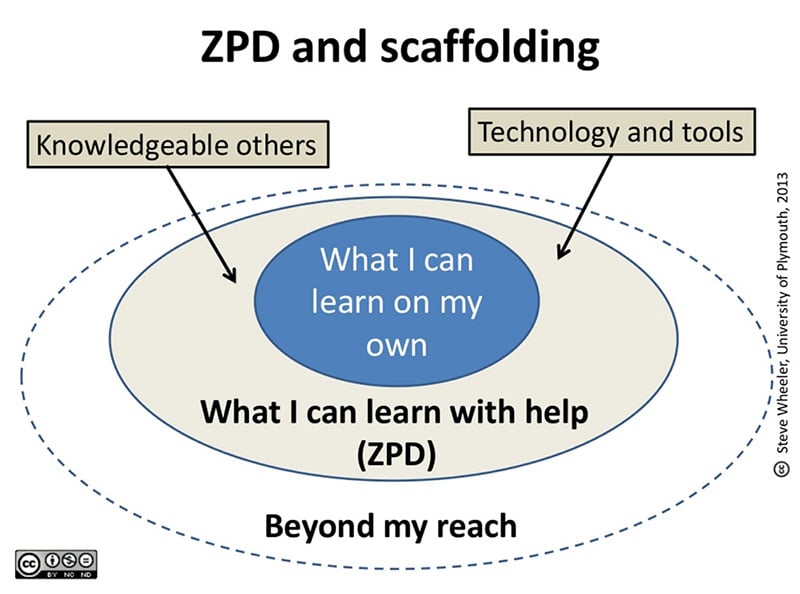
Vygotsky's most enduring contribution to educational practice is the concept of the Zone of Proximal Development (ZPD) — the distance between what a learner can do independently and what they can accomplish with guidance from a more capable partner. This seemingly simple idea carries profound implications for how we understand learning, teaching, and assessment.

Vygotsky argued that conventional assessment — which measures only what a child can do alone — captures a snapshot of development already completed, not development in progress. The ZPD, by contrast, reveals the leading edge of a child's growth: the zone where learning is actually happening, where new concepts are within reach but not yet internalized, where the right support makes all the difference. Teaching, he insisted, should aim at this zone — not at what the child already knows, but at what they are in the process of becoming.

The "more knowledgeable other" (MKO) who supports learning within the ZPD does not have to be a teacher. It can be a parent, a peer, an older sibling, or even a well-designed tool or environment. This insight is central to Vygotsky's broader social constructivist theory: learning is fundamentally a social and cultural activity, not a solitary one. The child does not construct knowledge in isolation; they construct it in dialogue, in collaboration, in the presence of others who are slightly ahead of them.

The practical concept of scaffolding — though the term itself was coined by Jerome Bruner and colleagues in 1976 — is the direct pedagogical application of the ZPD. Scaffolding refers to the temporary, adjustable support that a more experienced person provides to allow a learner to complete a task they could not yet accomplish alone. As the learner's competence grows, the scaffold is gradually withdrawn. Good teaching, in this model, is always provisional and always responsive — calibrated not to what the child needs today, but to what they are reaching for.

Social Constructivism and the Role of Language

Vygotsky's psychology is fundamentally social. He argued against the view — dominant in his time through Piaget — that cognitive development is primarily a matter of the individual child's interaction with the physical world. For Vygotsky, higher mental functions (voluntary attention, logical memory, concept formation) originate not inside the child but between children and other people, and are only later internalized as individual capacities.

Language plays a central role in this process. Vygotsky saw language not merely as a vehicle for communicating already-formed thoughts, but as the primary tool through which thought itself is shaped. The famous phenomenon of "private speech" — young children talking to themselves as they work through a problem — was, for Vygotsky, direct evidence of language's cognitive function: the child is literally thinking aloud, using speech as a tool for self-regulation, before that process goes underground and becomes silent inner speech.

These ideas have direct implications for classroom practice. Rich verbal interaction — discussion, questioning, collaborative problem-solving, argumentation — is not a supplement to real learning; it is the medium in which higher-order thinking develops. A classroom that privileges silence and individual seatwork may be impeding precisely the kind of learning Vygotsky showed to be most important.

Vygotsky in Maria's Practice

The ZPD functions as a daily compass in responsive teaching. Rather than assigning the same task to all children or designing activities at the level of what children can already do, a teacher who works within the Vygotskian tradition constantly asks: where is this child's growing edge? What is the next step that is genuinely within reach? What kind of support will allow this child to take that step today — and not need it tomorrow?

This is what responsive challenge means in practice: not difficulty for its own sake, not comfort for its own sake, but the precisely calibrated zone between the two — the place where real learning lives.

Key Dates

1896Born in Orsha, Belarus
1917Graduates in law from Moscow University
1924Joins the Institute of Psychology, Moscow
1934Dies of tuberculosis in Moscow, aged 37
1962Thought and Language published in English
1978Mind in Society published posthumously; ZPD reaches global education

Key Concepts

Zone of Proximal Development Scaffolding More Knowledgeable Other Social Constructivism Private Speech Inner Speech Internalization Mediation Concept Formation

Major Works

  • Thought and Language (1934 / transl. 1962)
  • Mind in Society (posthumous, 1978)
  • The Psychology of Art (1925 / transl. 1971)
  • Educational Psychology (1926 / transl. 1997)

The ZPD in One Sentence

The zone of proximal development is not a fixed property of a child — it is a relational space that exists between the child and a supportive other. It changes as the child grows, and it is the teacher's job to find it, again and again.
Further Reading
Pedagogical Foundations · Active Schools Movement

Ovide Decroly & Célestin Freinet

Two pillars of the European active schools tradition
"The school must be a place for life, through life, and prepared for life." — Ovide Decroly

Ovide Decroly (1871–1932)

Ovide Decroly was a Belgian physician, psychologist, and educator born in Renaix (Ronse) in 1871. Like Montessori, he came to education through medicine, and like her, he began by working with children who had been excluded from ordinary schooling — in his case, children with intellectual disabilities. What he discovered there — that all children learn more powerfully when education connects to their real lives, interests, and needs — became the seed of his entire pedagogical system.

In 1907, the same year Montessori opened the Casa dei Bambini, Decroly founded his own school in Brussels: the École de l'Ermitage. The motto he chose — "l'École pour la Vie, par la Vie" (School for Life, through Life) — captured his conviction that education must be rooted in authentic human experience, not in the abstracted academic content of the traditional school.

Centres of Interest

Decroly's most influential pedagogical contribution is the concept of centres of interest (centres d'intérêt). He argued that children's learning is most meaningful and most durable when it is organized around their genuine needs and natural curiosity, rather than around academic disciplines imposed from outside. He identified four fundamental human needs — food, protection from the elements, defence against dangers, and the need for action, community, and joy — and proposed that curriculum should radiate outward from these themes, integrating different subjects around a living centre rather than fragmenting knowledge into disconnected lessons.

Each centre of interest unfolds through three phases: observation (direct, sensory encounter with the real world), association (connecting observations across time and space, building concepts), and expression (communicating what has been understood, through language, drawing, gesture, or construction). This sequence — from concrete experience to abstraction to expression — anticipates many of the insights that would later be formalized in constructivist learning theory.

Decroly also developed a global method of reading — the "look-say" or whole-word approach — based on his observation that children naturally perceive wholes before parts. Rather than beginning with individual letters and phonemes, Decroly's method began with meaningful whole sentences drawn from the child's own experience, and only later moved to analysis of their components. This approach, though contested, was deeply influential in twentieth-century literacy pedagogy.

Decroly: Key Dates

1871Born in Renaix, Belgium
1901Opens institute for children with disabilities
1907Founds the École de l'Ermitage, Brussels
1932Dies in Brussels, aged 60

Decroly: Key Concepts

Centres of Interest School for Life Observation · Association · Expression Global Method Child's Needs Jeux Éducatifs
"I hear and I forget. I see and I remember. I do and I understand." — Attributed to Célestin Freinet

Célestin Freinet (1896–1966)

Célestin Freinet was born in 1896 in Gars, in the Alpes-Maritimes region of southern France. After being wounded in World War I and left with a lung injury that made conventional classroom lecturing painful, he was forced to find radically different ways of teaching. What began as necessity became a lifelong pedagogical philosophy: children learn by doing, by creating, by communicating, and by taking genuine responsibility for their own community of learning.

Freinet spent most of his career teaching in a village school in Bar-sur-Loup, and later in a school he founded himself in Vence. He never worked in prestigious urban institutions or universities; his ideas emerged directly from the practice of teaching real children in real, often materially modest circumstances. This rootedness in practice gave his work a concreteness and directness that distinguished it sharply from more theoretical reformers.

The Freinet Techniques

Freinet's most distinctive innovation was introducing a printing press into his classroom in 1924. Children used it to produce their own texts — observations of the world around them, stories, poems, reflections — which were then printed, shared with the class, and sent to other schools through an inter-school correspondence network. This seemingly simple act transformed the nature of writing: children wrote not to please the teacher or to complete an exercise, but to communicate with a real audience. The text became a genuine act of expression and social participation.

The free text (texte libre) is closely related: children write freely on whatever matters to them, without a prescribed topic or form. These texts are shared with the class, discussed, and sometimes printed. The teacher's role is not to correct but to listen, respond, and help the child develop their voice. The class becomes a community of writers.

Inter-school correspondence extended the community further: Freinet's students exchanged letters, texts, and drawings with children in other schools — across France and eventually internationally. This correspondence was not an add-on; it was a core reason for communicating carefully and with genuine intent.

The class cooperative (coopérative scolaire) gave children genuine shared responsibility for the life of the classroom — its organisation, its materials, its conflicts, its projects. Democratic participation was not a subject taught once a week; it was the daily structure of school life. Children held council meetings, kept collective records, and made real decisions about how their community functioned.

Underlying all of these techniques is what Freinet called tâtonnement expérimental — experimental trial and error. He rejected the idea that knowledge is transmitted from teacher to student; instead, he argued that genuine learning always involves the learner testing hypotheses, making mistakes, revising, and trying again. The teacher's role is to create the conditions — the materials, the time, the community — in which this natural process of inquiry can unfold.

Freinet: Key Dates

1896Born in Gars, Alpes-Maritimes, France
1920Begins teaching in Bar-sur-Loup
1924Introduces the printing press into his classroom
1935Founds his own school in Vence
1948Co-founds the ICEM (Institut Coopératif de l'École Moderne)
1966Dies in Vence, aged 69

Freinet: Key Concepts

Free Text Printing Press School Correspondence Tâtonnement Expérimental Class Cooperative Natural Method Work as Learning
Pedagogical Foundations · Catalan Pedagogy

Alexandre Galí i Coll

1886–1969  ·  Pedagogue, historian of education, architect of Catalan schooling
"An education that does not take root in the child's own culture and language is an education that uproots." — Alexandre Galí (paraphrase of his core conviction)

Biography

Alexandre Galí i Coll was born on February 7, 1886, in Camprodon, in the Ripollès region of Catalonia. He trained as a primary school teacher and quickly became one of the central figures in the Escola Nova (New School) movement that transformed Catalan education in the early twentieth century — a remarkable period of pedagogical renewal that brought the ideas of Montessori, Decroly, Freinet, and Dewey into dialogue with the specific cultural and linguistic realities of Catalonia.

Galí spent his early career teaching in Barcelona, where he became closely associated with the progressive educational circles gathering around the Mancomunitat de Catalunya, the regional government that, from 1914 to 1925, channelled significant energy and resources into education, culture, and Catalan public life. He became director of the Escola del Mar (School by the Sea) in Barcelona's Barceloneta neighbourhood in 1921 — a school that became one of the most celebrated experiments in active, child-centred education in the Catalan-speaking world.

When the Spanish Civil War ended in 1939 and Franco's dictatorship suppressed the Catalan language, culture, and institutions, Galí — like so many of his generation — found himself stripped of his professional role. He spent the long years of the dictatorship in enforced withdrawal from public educational life, but he used that time productively: compiling the monumental Història de les institucions i del moviment cultural a Catalunya (History of Institutions and the Cultural Movement in Catalonia), an eighteen-volume work that constitutes one of the most comprehensive accounts of Catalan cultural and educational history ever written. He died in Barcelona on March 3, 1969.

Pedagogy and Contributions

Galí's most widely known technical contribution to educational practice is the Prova Galí — a reading comprehension assessment he developed in the early 1920s that was among the first systematic tools for measuring not just decoding ability, but genuine understanding of written texts. This was methodologically innovative for its time: the shift from measuring reading as a mechanical skill to measuring it as a comprehension process anticipated debates that would preoccupy literacy researchers for the rest of the century.

But Galí was far more than a test designer. He was a thinker about the whole ecology of education — the relationship between schooling, culture, language, and community. He believed deeply that genuine education is impossible in a language the child does not inhabit from within. This was not merely a political position (though it was certainly that, in the context of Catalan language suppression); it was a pedagogical one. Learning through a foreign or imposed language is learning at a remove from experience — and Galí's entire project was to bring education into the closest possible contact with lived reality.

He was also a historian and a critic of educational institutions. His multi-volume history of Catalan education is remarkable not only for its scope but for its analytical intelligence: it refuses both nostalgia and simple progress narratives, and it places educational practice always in relation to the broader social, political, and cultural forces that shape it. It remains an essential reference for anyone studying the history of education in Catalonia.

The Mancomunitat de Catalunya

The Mancomunitat de Catalunya (1914–1925) was the first form of Catalan administrative self-government since 1714 — a federation of the four Catalan provincial councils that, under the presidency of Enric Prat de la Riba, undertook an extraordinary program of cultural, scientific, and educational institution-building. Its ambition was nothing less than the modernisation of Catalan public life: building libraries, laboratories, roads, and schools, and doing so through the medium of the Catalan language, whose suppression for two centuries had stunted civic and intellectual life.

Galí was one of the educators most closely associated with this project. Within the Mancomunitat's educational framework he contributed to teacher training programs and to the design of a new model of Catalan-language schooling — one that brought the ideas of Montessori, Decroly, and the international Escola Nova movement into dialogue with Catalan cultural reality. The Mancomunitat also organised the Escola d'Estiu (Summer School for Teachers), an annual gathering that became the most important space for pedagogical renewal and professional exchange among Catalan educators. These were the circles in which Galí moved and thought, and the Mancomunitat's institutional investment gave his generation the resources and the legitimacy to experiment.

When Primo de Rivera's dictatorship dissolved the Mancomunitat in 1925, it had already planted seeds that would flower during the Second Republic (1931–1939): a network of progressive schools, a trained generation of teachers, and a clear vision of what Catalan education could be. Galí's own subsequent work — at the Escola del Mar, at Escola Blanquerna, and in his writing — was the direct continuation of this Mancomunitat inheritance.

Escola Blanquerna

In the 1920s, Galí founded the Escola Blanquerna in Barcelona — one of the most significant educational experiments in the history of Catalan schooling. The name was a deliberate cultural statement: Blanquerna is the title of a thirteenth-century novel by Ramon Llull, the Majorcan philosopher and theologian who is considered the father of written literary Catalan. To name a school after Llull's great work was to place it in a tradition of Catalan humanist thought stretching back to the medieval period — a way of saying that the school's roots were not shallow.

The school was entirely Catalan in language, culture, and pedagogical spirit. It embodied Galí's conviction that genuine education must be rooted in the child's own language and cultural world — that a school conducted in an imposed or foreign tongue is, at the most fundamental level, an alienating institution. At Escola Blanquerna, Catalan was not merely the medium of instruction: it was the air the school breathed, the substance of its stories, its songs, its discussions, and its relationship with the community around it.

Pedagogically, Escola Blanquerna drew on the full range of progressive methods Galí had absorbed through the Mancomunitat years: active learning, children's investigation, arts integration, and a carefully designed environment that invited rather than imposed. The school attracted families and educators who shared his vision and quickly became a reference point for progressive Catalan pedagogy. Like so many institutions of this generation, it was forcibly closed after the Civil War — dismantled, as Galí himself was, by a dictatorship that understood cultural suppression and educational control as two sides of the same project.

Galí and Montessori

The encounter between Alexandre Galí and the work of Maria Montessori was one of the defining intellectual events of the Catalan Escola Nova generation. In 1916 and 1917, the Mancomunitat de Catalunya invited Montessori to Barcelona to run teacher training courses and to establish a model classroom — the first Casa dei Bambini on the Iberian Peninsula. These visits were part of a deliberate policy: the Mancomunitat was determined to connect Catalan educators to the most advanced international pedagogy of the time, and Montessori's work, with its insistence on the child's active agency and the prepared environment, was the most rigorous and articulate expression of the principles the movement was trying to enact.

Galí was working within the same Mancomunitat educational networks during these years, and the encounter with Montessori's ideas — whether through the courses themselves or through the intense professional discussion they generated — was formative. What Galí found in Montessori confirmed and deepened convictions he was already developing: that the child is an active constructor of knowledge, not a passive receiver of instruction; that the environment must be designed to serve the child's own developmental logic; that the teacher's most important work is to observe carefully and then step back. These parallels were not coincidental — both Montessori and Galí were drawing from the same European progressive tradition — but the direct encounter with Montessori's method gave Catalan educators a concrete and tested model of how these principles could be implemented in real classrooms.

The influence is visible throughout Galí's practice: the emphasis on sensorial, hands-on learning; the respect for the child's own pace and interests; the careful attention to the physical and aesthetic quality of the classroom environment. At the same time, Galí was never simply a follower. He integrated Montessori's insights into a distinctly Catalan project, one in which language, cultural identity, and community belonging were not separable from pedagogy but inseparable from it. Where Montessori's method was, by design, universal and portable, Galí's vision was rooted — in a place, a language, a history, and a people.

The Escola Nova in Catalonia

The broader context of Galí's work is the Escola Nova movement — the Catalan expression of the international New Education movement that swept Europe and North America in the early twentieth century. In Catalonia, this movement had a distinctive character: it was intertwined with the project of Catalan cultural and linguistic renewal, and with a progressive political vision that saw education not merely as instruction but as the formation of free, rooted, responsible citizens.

Key institutions of this movement included the Escola del Bosc (School in the Forest), founded in 1914 on Montjuïc; the Escola del Mar, directed by Pere Vergés; and the network of schools supported by the Generalitat de Catalunya during the years of the Republic (1931–1939). These schools were laboratories of innovative practice: bilingual and culturally rooted, organized around active learning, children's interests, and the integration of arts, nature, and community life. The Civil War and the subsequent dictatorship dismantled them, but their memory and their ideas persisted — and they continue to shape Catalan educational culture today.
Key Dates

1886Born in Camprodon, Ripollès, Catalonia
1914Joins the Mancomunitat de Catalunya's educational programs under Prat de la Riba
1916–17Maria Montessori visits Barcelona, invited by the Mancomunitat; Galí is active in the same circles
1921Appointed director of the Escola del Mar, Barcelona
1923Publishes the Prova Galí reading comprehension test
1924Founds Escola Blanquerna, Barcelona — named after Ramon Llull's novel
1925Mancomunitat dissolved by Primo de Rivera's dictatorship
1939Civil War ends; Escola Blanquerna closed; Galí excluded from public life
1969Dies in Barcelona, aged 83

Key Contributions

Prova Galí Escola Blanquerna Escola del Mar Escola Nova Mancomunitat de Catalunya Montessori Influence Language & Identity Reading Comprehension Catalan Cultural Renewal Active Pedagogy History of Education

Major Work

  • Prova Galí per a mesurar el grau lector (1923)
  • Història de les institucions i del moviment cultural a Catalunya (18 vols., written 1939–1969, published posthumously)

Context

Galí's work sits at the intersection of European progressive pedagogy and the specific project of Catalan cultural and linguistic recovery. He was shaped by the Mancomunitat's institutional vision, by direct encounter with Montessori's method in Barcelona, and by his own deep conviction that language and identity are not accessories to education — they are its foundation. Understanding him requires holding both dimensions together.
EduMundi

Articles

Curated articles and essays on education, leadership, and classroom life
Stage
Language
Author
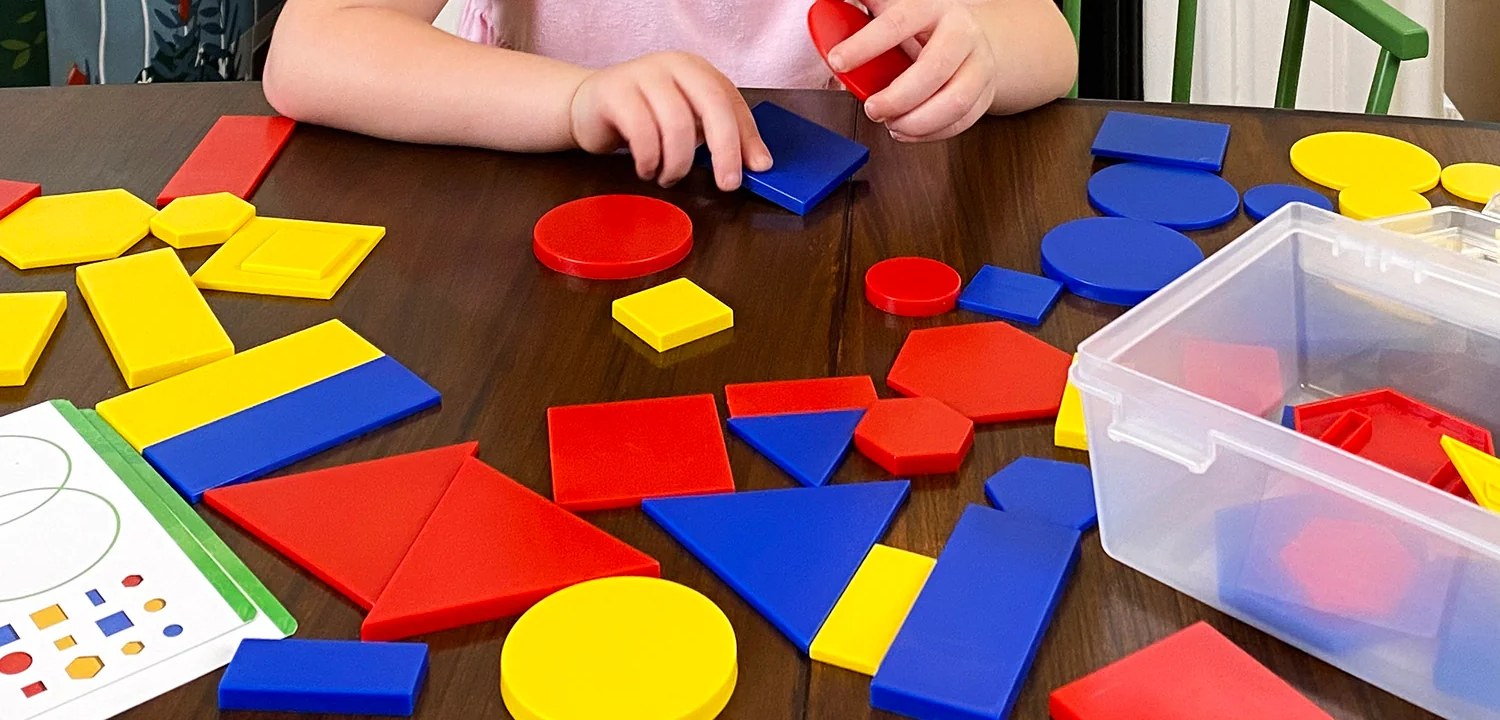
Child's hands sorting colorful red, blue, and yellow attribute blocks on a wooden table
Read article →
EduMundi · Original June 2026

Attribute Blocks: Four Properties, Infinite Thinking

A practical guide for educators and parents — what attribute blocks are, the logical thinking they make possible, and thirteen ways to use them from early sorting to deductive reasoning. Original illustrations throughout.

By Maria Galí Cabana
EduMundi · Original Article
Unifix Cubes
A small cube,
a hundred lessons
MATH LITERACY AGES 3–11
Read article →
EduMundi · Original May 2026

Unifix Cubes: A Small Cube, A Hundred Lessons

A practical guide for educators and parents — what Unifix cubes are, why they have endured in classrooms for seven decades, and thirteen ways to use them across math, literacy, and beyond. Original illustrations throughout.

By Maria Galí Cabana
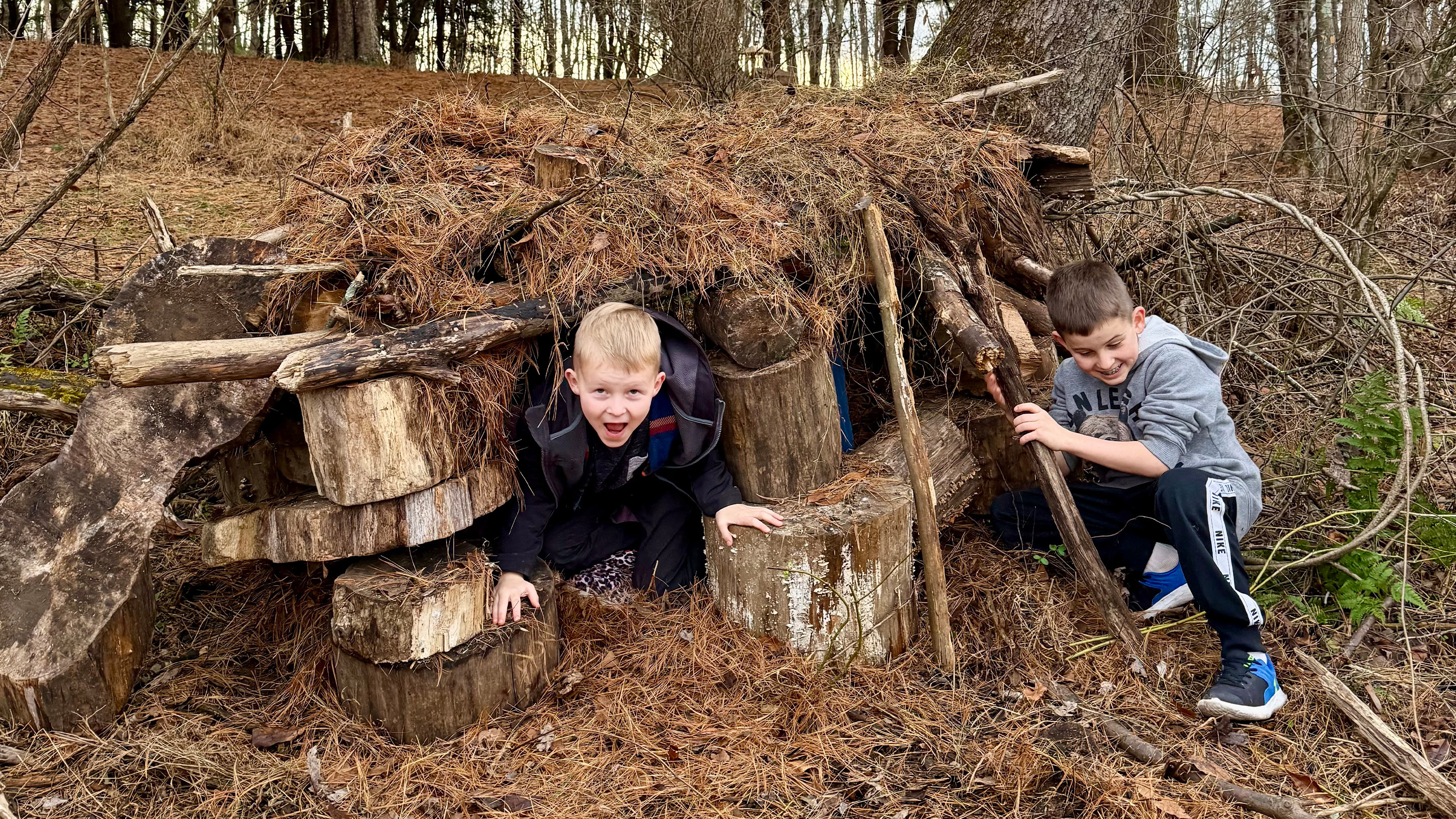
Young children playing outdoors and building a fort
Read article →
Edutopia May 2026

Helping Young Students Think About Their Thinking as They Play

Early childhood teachers can use these strategies and questions to unobtrusively guide students to develop metacognition — a skill that starts with play.

By Ann F. Brandt
Students making paper bird models on the banks of Lake Merritt in Oakland during a science program
Read article →
EdSource · Commentary May 2026

The Balance Between Direct Instruction and Project-Based Science

A 47-year educator reflects on the tension between "sage on the stage" and "guide on the side" — arguing that direct instruction and project-based learning are partners, not rivals, and that balance is what students need most.

By Bill Conrad
Artemis II crew members embracing — a bridge between ancient wisdom and space exploration
Read article →
NEA Today April 2026

Earth Day Lessons From Ancient Cultures to Artemis II

Could a picture book about Indigenous people be the moonshot our classrooms need this Earth Day? A look at how ancient cultural wisdom connects to the present — and beyond.

By Cindy Long
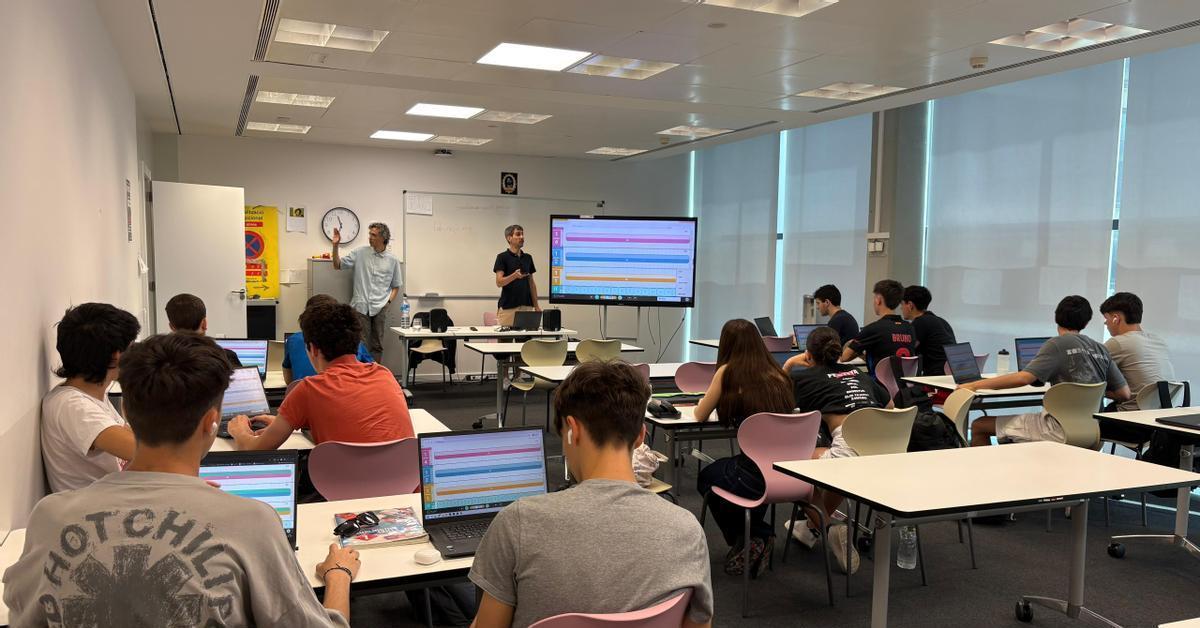
Alumnes aprenent música a través de les matemàtiques a l'escola
Llegir l'article →
Criatures · Ara.cat Març 2026

Com aprendre música (encara que no en sàpigues) a través de les matemàtiques

Play Nuzic és una nova metodologia educativa que convida els alumnes a compondre i crear música a través del pensament matemàtic — una proposta que ja s'està presentant a les escoles.

Per Judit Monclús
A teacher using AI at her desk in a classroom setting
Read article →
Education Week February 2025

'I Don't Get Burnt Out as Much:' How These Teachers Use AI in Their Daily Work

See how three teachers use generative AI tools to save time and enrich teaching and learning — a grounded look at what thoughtful AI integration looks like in real classrooms.

By Lauraine Langreo
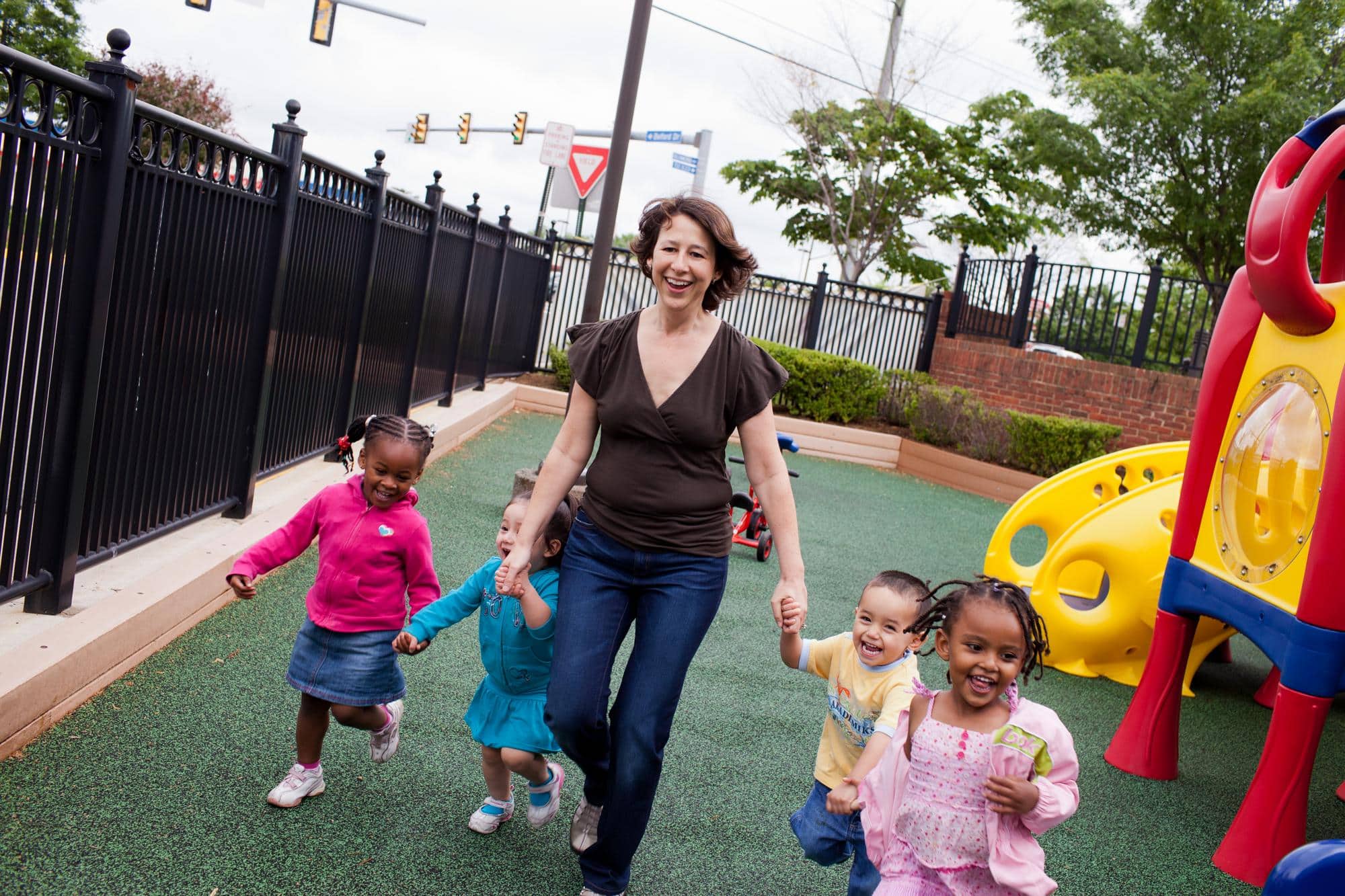
Happy toddlers holding hands with an early childhood educator
Read article →
ZERO TO THREE December 2024

What Is Quality Child Care?

Quality child care is the bedrock of healthy child development, family stability, and a thriving economy. Expert perspectives from educators, policy analysts, and program directors on what it really takes to build systems where quality is a guarantee — not just an aspiration.

Macasaet, Blachowiak & Parlakian
Practice Guide · NCEE 2014-4005
Teaching Math to
Young Children
GEOMETRY PATTERNS MEASUREMENT
U.S. Department of Education · IES
Read practice guide →
IES What Works Clearinghouse November 2013

Teaching Math to Young Children: A Practice Guide

Five evidence-based recommendations for teaching early math to children ages 3–6. Recommendation 2 (p. 31) makes the case for developmental progressions in geometry, patterns, measurement, and data analysis — showing how math is everywhere in children's world.

Frye, Baroody, Burchinal, Carver, Jordan & McDowell
EduMundi

Experiences

Documented classroom projects and learning stories from real practice
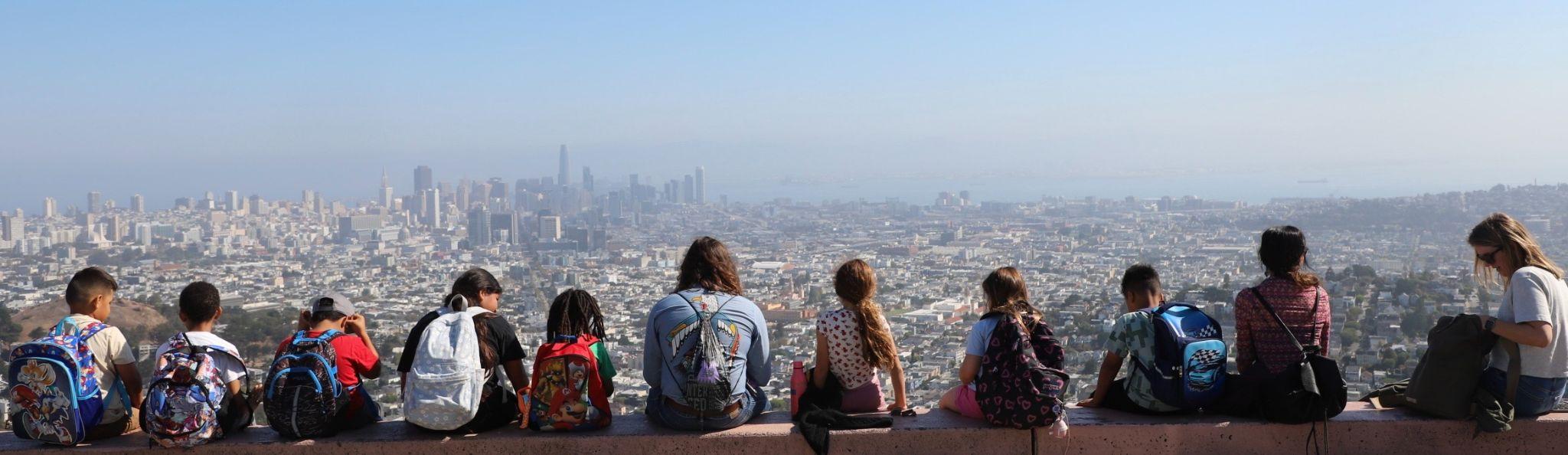
Children seen from behind at Twin Peaks, looking out over the San Francisco skyline and bay
Documentation · 2025–26 · Katherine Michiels School, SF
From Tule to Tech: History of the Bay Area
Reggio Emilia Elementary Bay Area History Ohlone · Indigenous Peoples
A year-long project exploring the history of the Bay Area — from the Ramaytush Ohlone to modern technology — sparked by a child finding a spear in the dirt. Led by teacher Teddy; documented by Maria at Katherine Michiels School, 2025–26.
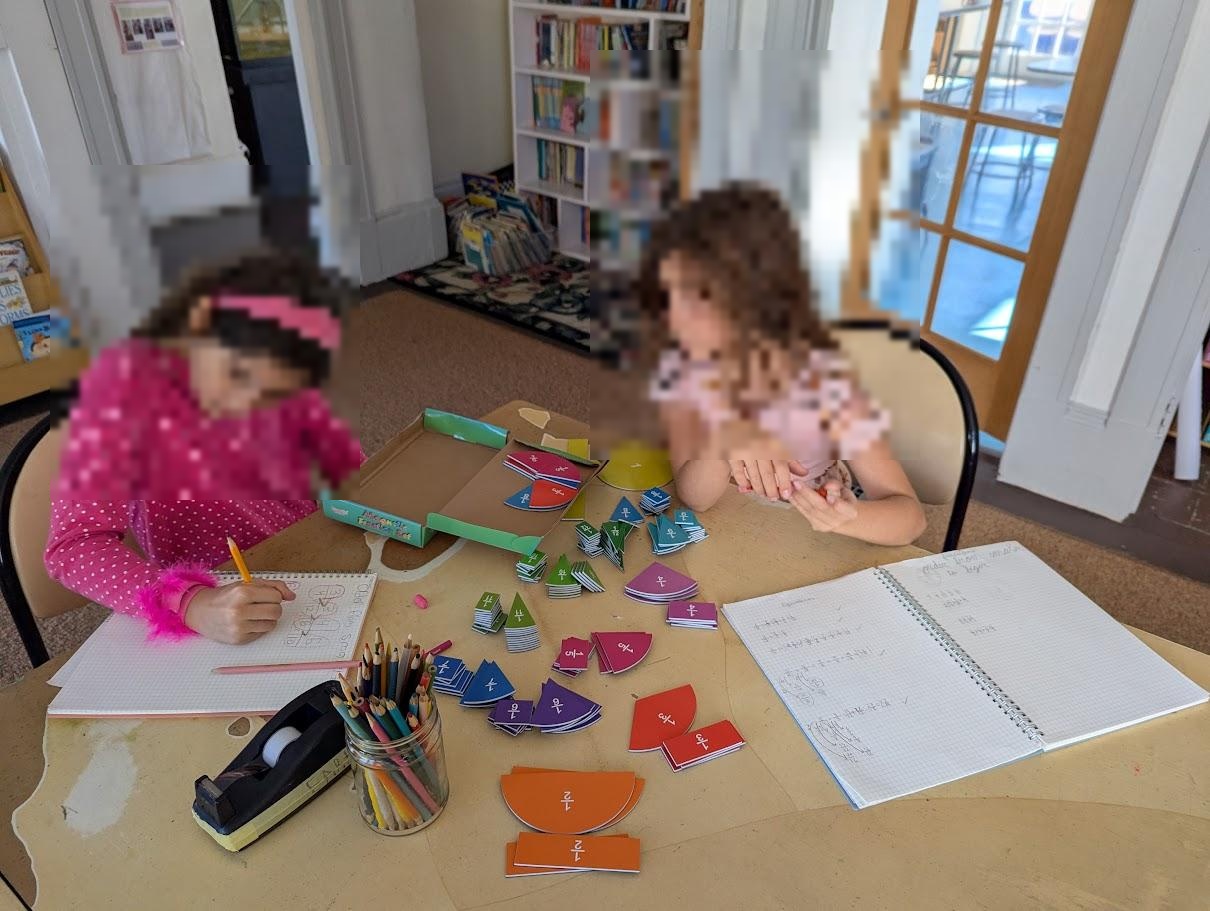
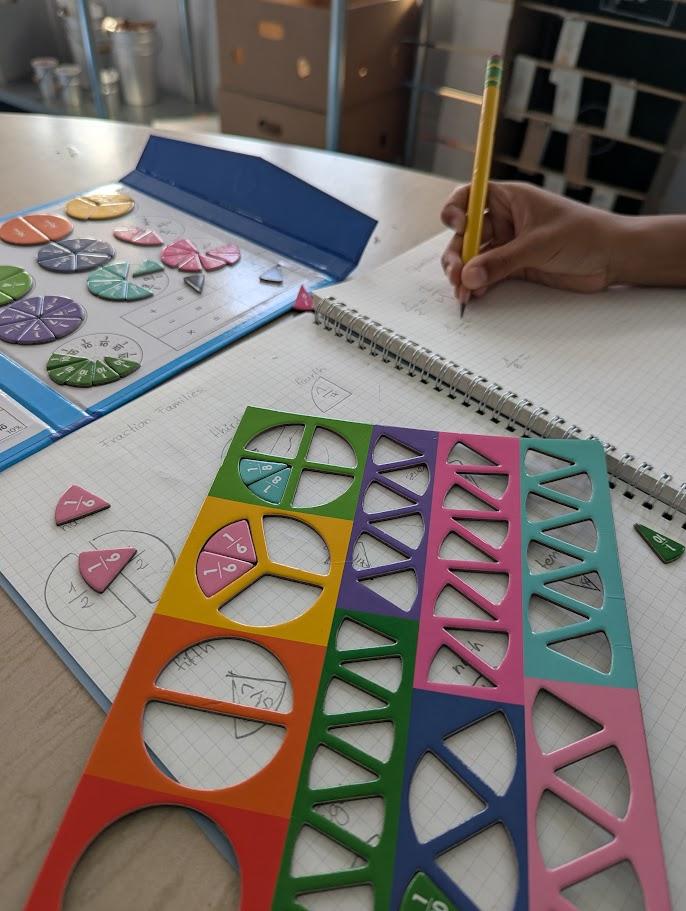
Two children working collaboratively with colorful fraction pieces
Documentation · 2025 · Katherine Michiels School, SF
Discovering Fractions
Reggio Emilia Multi-age · PK–EL Mathematics
A multi-age project with children aged 4–10 exploring fractions at their own pace — through pizza slices, clocks, drawings, and conversation. Documented at Katherine Michiels School, San Francisco, 2025.
EduMundi

Services

Reach out below, or explore upcoming offerings designed for educators and organizations.

All services available in English Català Español

Get in touch

Messages go directly to my inbox. I'll reply within a few days.

Thanks for reaching out! I'll get back to you soon.
Maria giving an online workshop
Maria giving an online workshop, 2023
Coming soon Interested? Use the contact form and I'll reach out when they launch.
Consulting
Coming soon

Expert guidance tailored to your organization's goals and challenges.

Curriculum development
Coming soon

Designing meaningful learning experiences grounded in best practices.

Professional development
Coming soon

Workshops built to strengthen skills and inspire growth across teams.

Material Use / Standards Connection Where to Find Format Articles / How to Use