From Tule to Tech: History of the Bay Area
This project was led by teacher Teddy, who conceived, guided, and carried the daily work of this inquiry from first question to final arrowhead. Maria's role throughout was to support — being available as a thinking partner when needed — to consult on pedagogical framing and Reggio Emilia documentation practice, and to serve as the documentarian: the observer, recorder, and author of what you are reading now. The curriculum, the relationships with the children, the daily decisions of how to follow the project's thread — those belong to Teddy. The documentation is offered in the spirit of Reggio practice: making visible what was already remarkable.
What begins with a child finding a spear in the dirt can grow into a year-long investigation into who came before us, how they lived, and how tools and technology have changed the Bay Area over centuries — from the Ramaytush Ohlone to the world of screens and glass. This is the beginning of the story of that investigation.
"The curriculum is not a fixed plan but a process of research, guided by the interests and questions of the children."
A Spear in the Dirt
At the end of the previous school year, something unexpected happened. Arody found a spear in the dirt.
Children gathered around — impressed, excited, and suddenly full of questions. Not the tidy questions of a planned lesson, but the urgent, disorganized questions that come when something genuinely surprising appears in front of you.
"What is it?"
"From when?"
"Who used it?"
"How did people make it? How did they use it?"
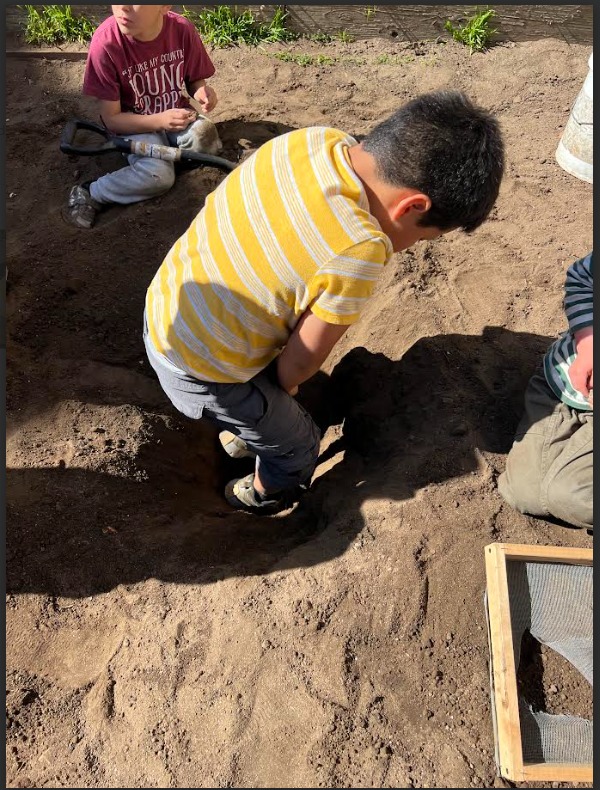
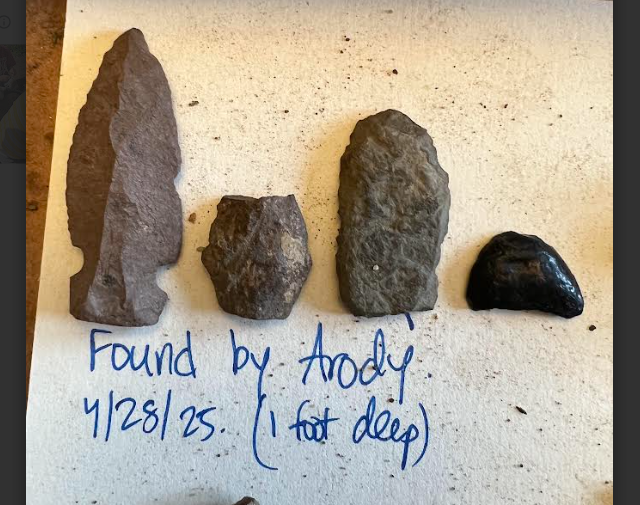
These questions did not go away over the summer. When the 2025–26 school year began, they returned — and teacher Teddy chose to follow them. What had begun as a chance encounter became the seed of a long, rich inquiry into the history of the Bay Area, its first peoples, and the story of how human creativity and tools have transformed the land over time.
What none of us expected was how far that one spear would reach. Arody's find did not just open a door into Ohlone history — it opened a window into a much larger, parallel set of questions: How did prehistoric people move across the world? What routes did they follow, and why? How did early humans in different continents, separated by oceans and millennia, arrive at remarkably similar tools, similar solutions, similar ways of reading the land? These questions became companion threads in our investigation — not separate projects, but echoes of the same curiosity. The spear propelled us into prehistory on every continent, into the long arcs of human migration, into the patient, incremental way that knowledge traveled across generations. And it threw into sharp relief something children began to feel before they could articulate it: for tens of thousands of years, humanity moved slowly — discoveries made over centuries, innovations passed hand to hand across vast distances and long lifetimes. The pace of change was geological. Today, by contrast, the world barely pauses between one transformation and the next. A single decade now holds more technological change than entire eras of human prehistory. Children who hold a stone point in their hands and then look down at the screen in their pocket are holding the entire arc of that story at once — and they feel it.
Researching Spears
Teddy began by inviting the children to share what they already knew and what they wanted to find out. He then introduced books and images showing ancient people hunting and crafting tools.
Together, they examined the shapes, lengths, and materials of different spears — noticing how some had sharp stone points while others were made entirely of wood. The children began to see that the spear in the dirt was not just an object. It was a document — a record of decisions made by hands they would never meet, in a time they would have to reconstruct through research, imagination, and making.
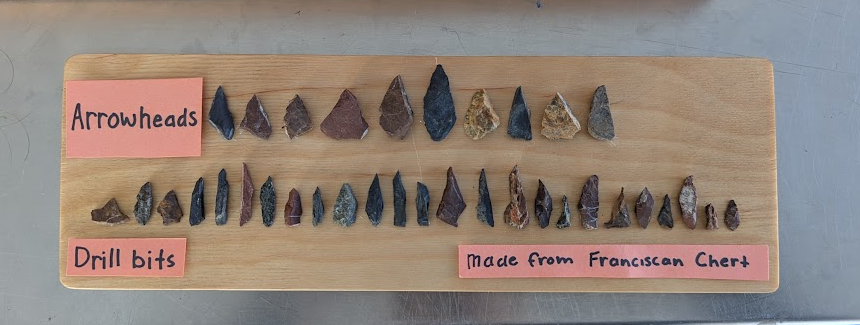
This initial phase of research established a habit that would carry through the entire project: before making anything, the children observed, compared, and wondered. Documentation began here — not with a final product, but with a question.
The children also learned how the Ohlone people actually made these tools — a process that demanded extraordinary patience and skill. Spear points and arrowheads were shaped through a technique called knapping: using a hard antler tip or stone as a pressure flaker, the maker would carefully chip away at a piece of Franciscan chert — the dark, glassy rock abundant throughout the Bay Area — removing tiny flakes along the edges until a sharp, symmetrical point emerged. The process required reading the stone: understanding its grain, anticipating how it would fracture, adjusting pressure and angle with each strike. A single arrowhead might take hours to complete, and one wrong tap could split the whole piece and force the craftsperson to start again. Longer spear shafts were made from straight branches of willow or tule reed, dried and smoothed, then bound to the stone point with sinew and plant pitch. Every part of the tool was sourced from the immediate landscape. Nothing was wasted. Children who had never thought twice about the objects in their hands began to understand that behind every tool — then as now — there is a person who made a thousand careful decisions.
Who Are the Ohlone People?
The children's curiosity about the spear drew them toward a larger question: who were the people who had lived on this land before the city arrived? Teacher Teddy brought in materials, books, photographs, and cards about the Ramaytush Ohlone — the indigenous people whose home the Bay Area has been for thousands of years.
Children researched in the ways Reggio educators know best: not through a single channel, but through many. They looked at images, handled objects, read cards, listened to stories, and made their own drawings and writings. Projects emerged from this research — individual expressions of what each child was finding and wondering.
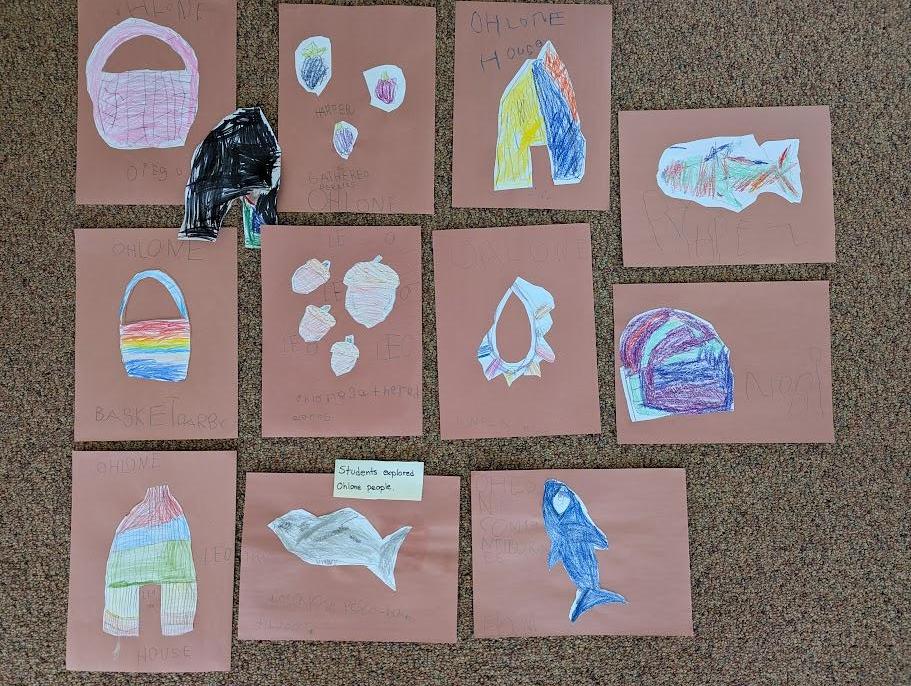
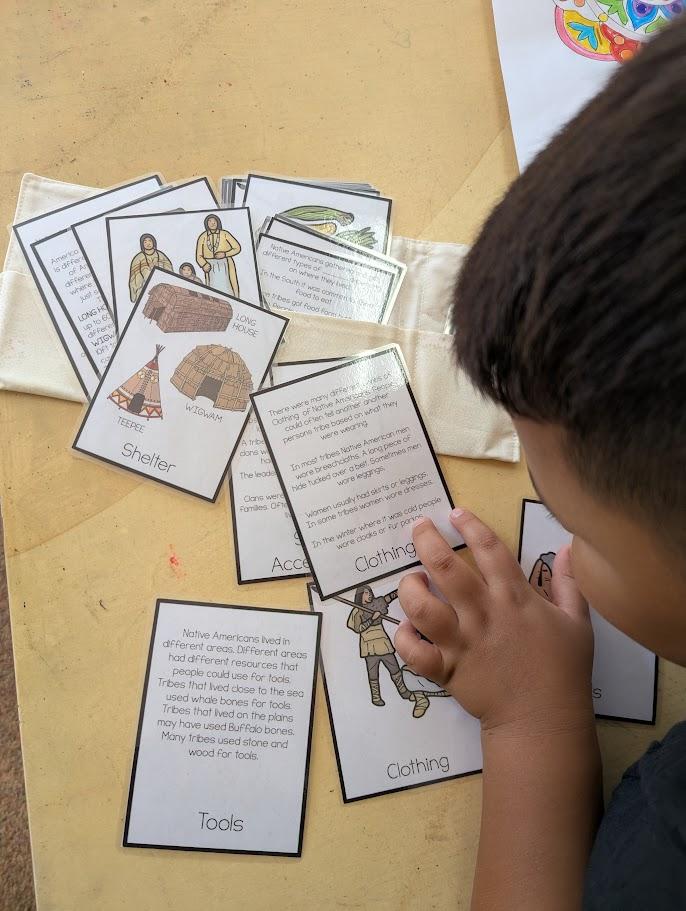
What the children discovered about the Ohlone stretched across a wide range of wonder. The youngest ones latched onto the concrete and vivid: that Ohlone people ate acorns — and not just a few, but as a staple, grinding them into flour for porridge and bread. That they built round houses made of tule reeds that they could assemble and disassemble depending on the season. That they wore almost no clothing in summer because the Bay Area was warm, and that children played, swam, and ran barefoot along the shoreline. That they had dogs. That they used shells as money. These were the facts that four-year-olds repeated to their families at dinner and drew again and again in their journals — small, vivid, true things that made ancient people feel real and close. The older children, meanwhile, found themselves drawn to larger patterns. They learned that the Ramaytush Ohlone were not one unified tribe but a network of smaller groups, each with its own territory, language variety, and leadership — and that they had lived in the Bay Area for at least 10,000 years, long before any other civilization the children had studied. They discovered that the Ohlone managed their environment deliberately: using controlled burns to encourage new plant growth, rotating their fishing and gathering areas to avoid depletion, and reading the tides and migrations of birds and animals with a precision that took generations to develop. Fifth graders who had just learned about ecosystems recognized this immediately — the Ohlone were not just living in nature, they were tending it. And perhaps most powerfully, they learned that the Ramaytush Ohlone are not a people of the past: the Ramaytush Ohlone tribe continues to exist today, working to protect sacred sites, revitalize the Chochenyo language, and maintain their connection to the land that has always been theirs.
This is the principle of the hundred languages at work: no single child engages with history in only one way. Some drew. Some wrote. Some made. Some asked questions out loud. All of these ways of engaging were treated as equally valid — each a form of thinking, each a contribution to the shared investigation.
Why a Timeline?
As the research deepened, a larger structure emerged: a timeline — not the kind that hangs on a classroom wall untouched, but a growing, living record that the children themselves were building.
The question driving it was simple and enormous: How has technology changed in the Bay Area, from the Ramaytush Ohlone to now? The children began with the earliest tools — objects made from stone, bone, and wood — and began comparing them to tools from later periods: early settlers, farmers, factory workers, and eventually the digital age that surrounds them today.
From the beginning, the children wanted the timeline to be to scale — and that ambition turned out to be one of the most powerful learning experiences of the whole project. If the Ohlone had been in the Bay Area for 10,000 years, how much space would that take on the wall? How long a piece of yarn would you need? The older children did the math and quickly ran into a problem: a truly scaled timeline of human prehistory in the Bay Area, ending at today, would need to stretch the entire length of the school. They tried anyway. Strips of cardboard were measured and labeled, yarn was cut and pinned, and eras were marked with hand-drawn cards — stone tools here, the arrival of Spanish missionaries there, the Gold Rush a little further, the tech industry almost at the end of the yarn. What struck everyone, children and adults alike, was how little of the line was taken up by everything after colonization. Thousands of years of Ohlone life filled most of the timeline. The last two centuries — the ones packed with trains, factories, electricity, computers, and smartphones — occupied a sliver so thin that some children had to squint to find it. The scaled timeline did what no lecture could: it made the proportion of time visible, physical, and impossible to forget.
"Timelines help children visualize the passage of time and discover that learning is part of a much larger story — one they are still helping to write."
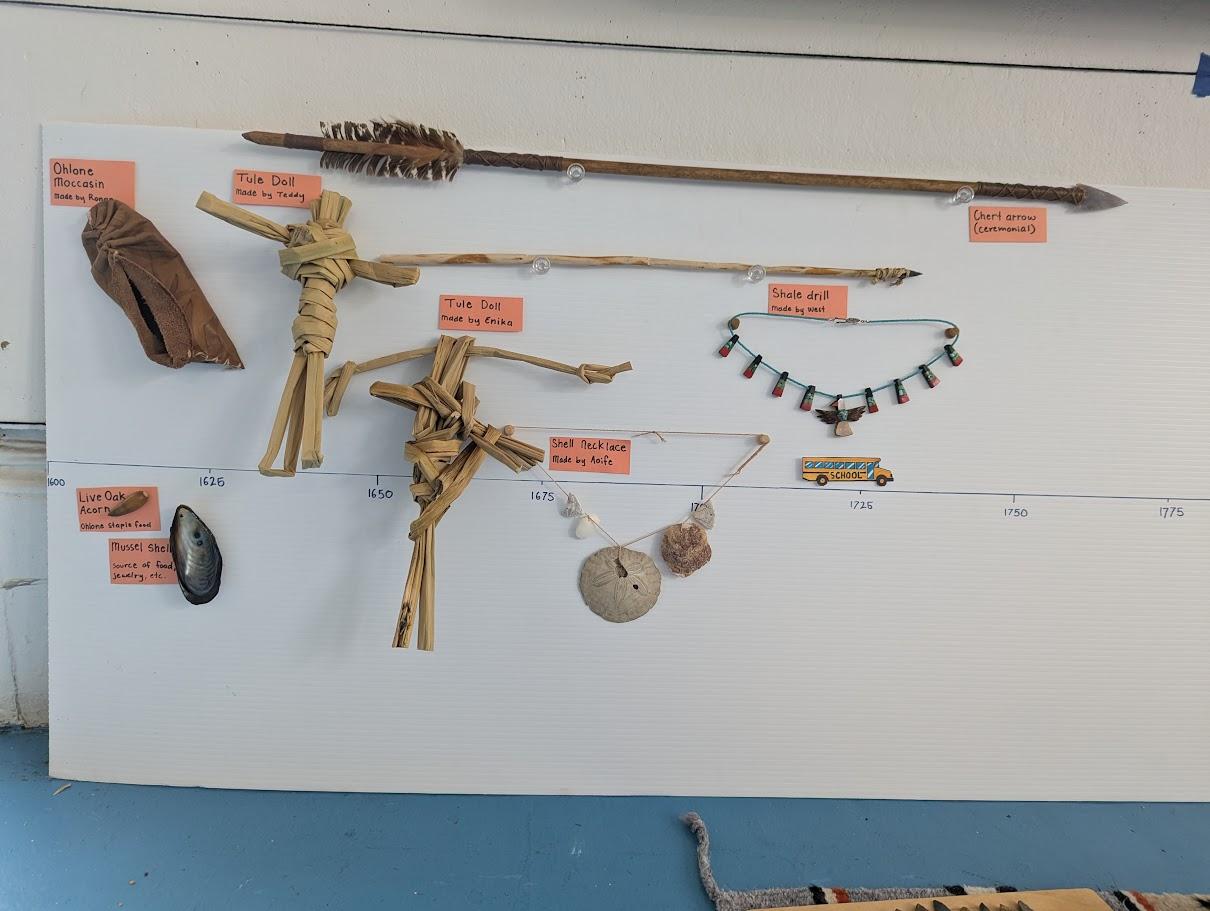
The timeline on the wall grew as the project advanced, it was a record of accumulating knowledge, still in motion at the time of this documentation.
Making as Knowing: Six Projects
Understanding the Ohlone people through reading and images was only part of the inquiry. Teddy invited the children to go further: to make things with their hands, using materials and methods that connected to Ohlone traditions. Over the course of the year, six distinct making projects emerged.
"Projects are adventures in learning. They provide opportunities for children to explore their ideas, to test theories, and to discover connections between things."
Moccasins
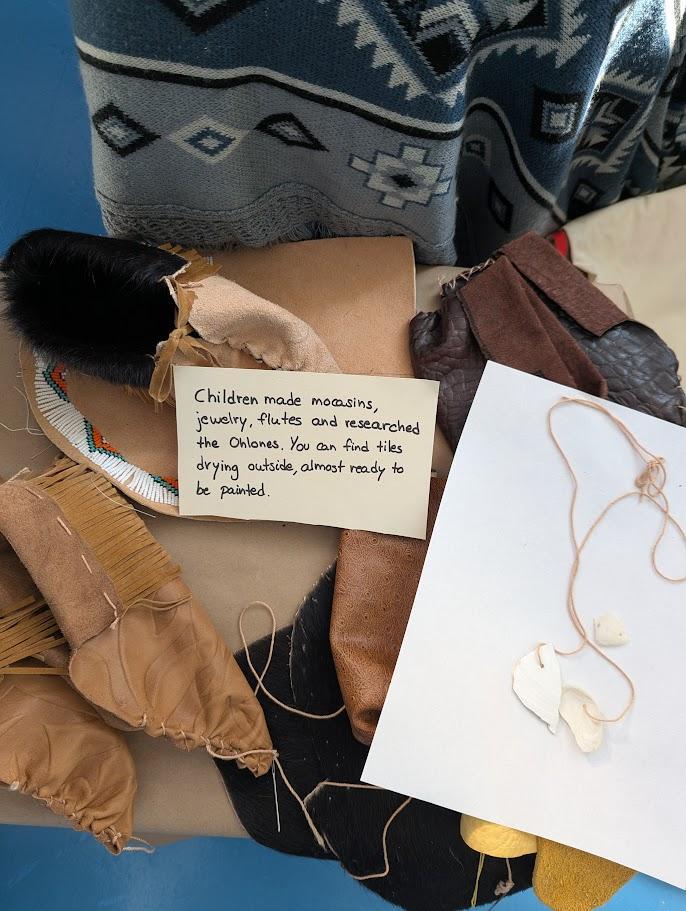
Each child traced their foot onto paper to create a personal template. Using soft leather and felt, they cut, matched, and sewed the pieces together — discovering how stitches hold materials. Finished moccasins were decorated with beads and natural fibers.
Shell Jewelry
Children observed images of traditional Ohlone adornments, sketched their own designs, selected and polished shells, and assembled necklaces and ornaments — connecting beauty to material knowledge and cultural meaning.
Bamboo Flutes
Inspired by Ohlone flutes made from reeds and hollow bones, children measured and marked bamboo, learning how hole placement changes pitch. When finished, the classroom filled with soft tones as children played together.
Adobe Tiles
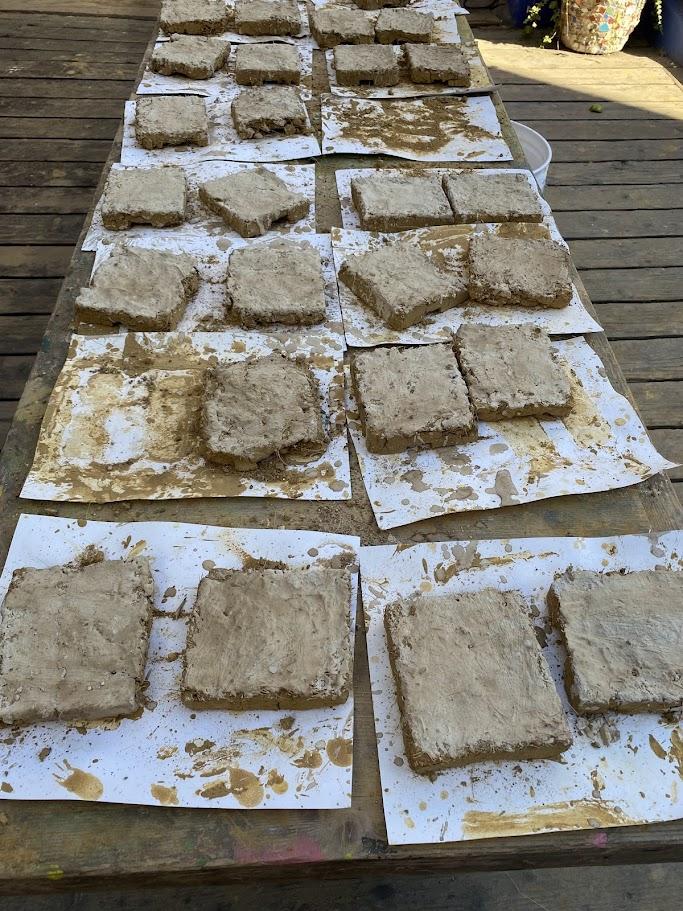
Children mixed soil, clay, water, and straw by hand — feeling the texture change as the paste formed. After drying, they made natural pigments from ground leaves, stones, and colored earth, and painted their tiles with Ohlone-inspired patterns.
Arrowheads
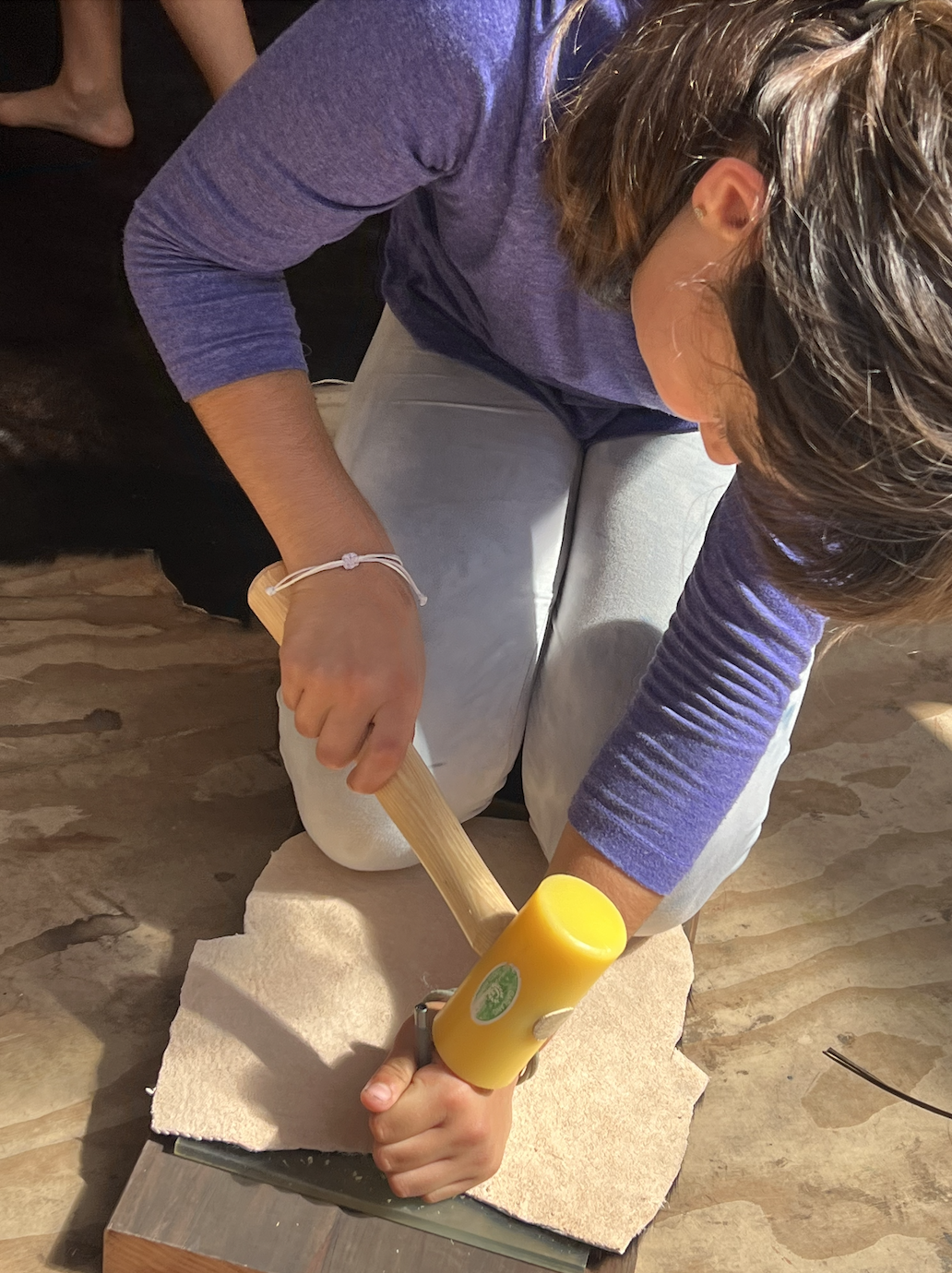
Children gathered different types of rocks and carefully chipped and shaped them — noticing colors, textures, and hardness. Rough stones slowly took on pointed forms, revealing the skill carried inside every object made by human hands.
Tule Figures
Using tule — the marsh reed central to indigenous material culture for centuries — children bundled, twisted, and tied the reeds into figures: people, animals, and symbolic forms, working together on a shared creation.
Can We Make Moccasins?
The moccasin project began with noticing — children observed the soft, simple shoes made from animal leather in books and images, and one day asked: could we make our own?
What followed was an exercise in patience, precision, and connection. Tracing a foot onto paper sounds simple; getting the pattern to fit correctly requires adjustment, measurement, and iteration. Cutting leather with any accuracy requires focus and control. Sewing with blunt needles and strong thread — holding two pieces of material together with a running stitch — required more concentration than most children expected.
When the moccasins were finished, the conversations shifted. Children began talking about how the Ohlone people used resources from nature respectfully and thoughtfully — not just taking what was available, but making deliberate choices about what to use, what to conserve, and how to transform raw material into something useful and beautiful.
What Was Ohlone Jewelry Made Of?
Children explored Ohlone jewelry-making by creating their own shell necklaces and ornaments. The project began with observing images of traditional Ohlone adornments and noticing how natural materials like shells, stones, and plant fibers were used for both beauty and meaning.
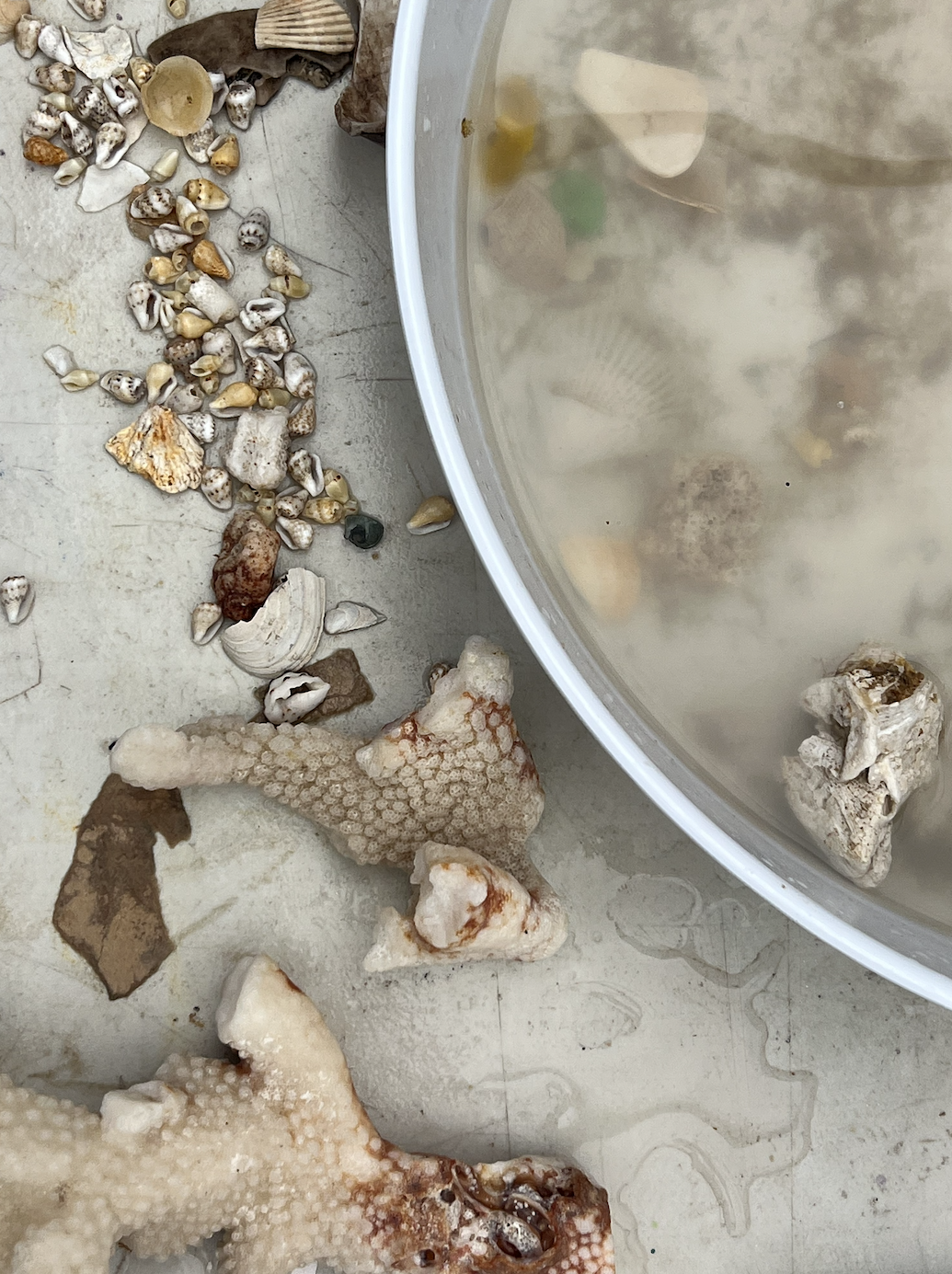
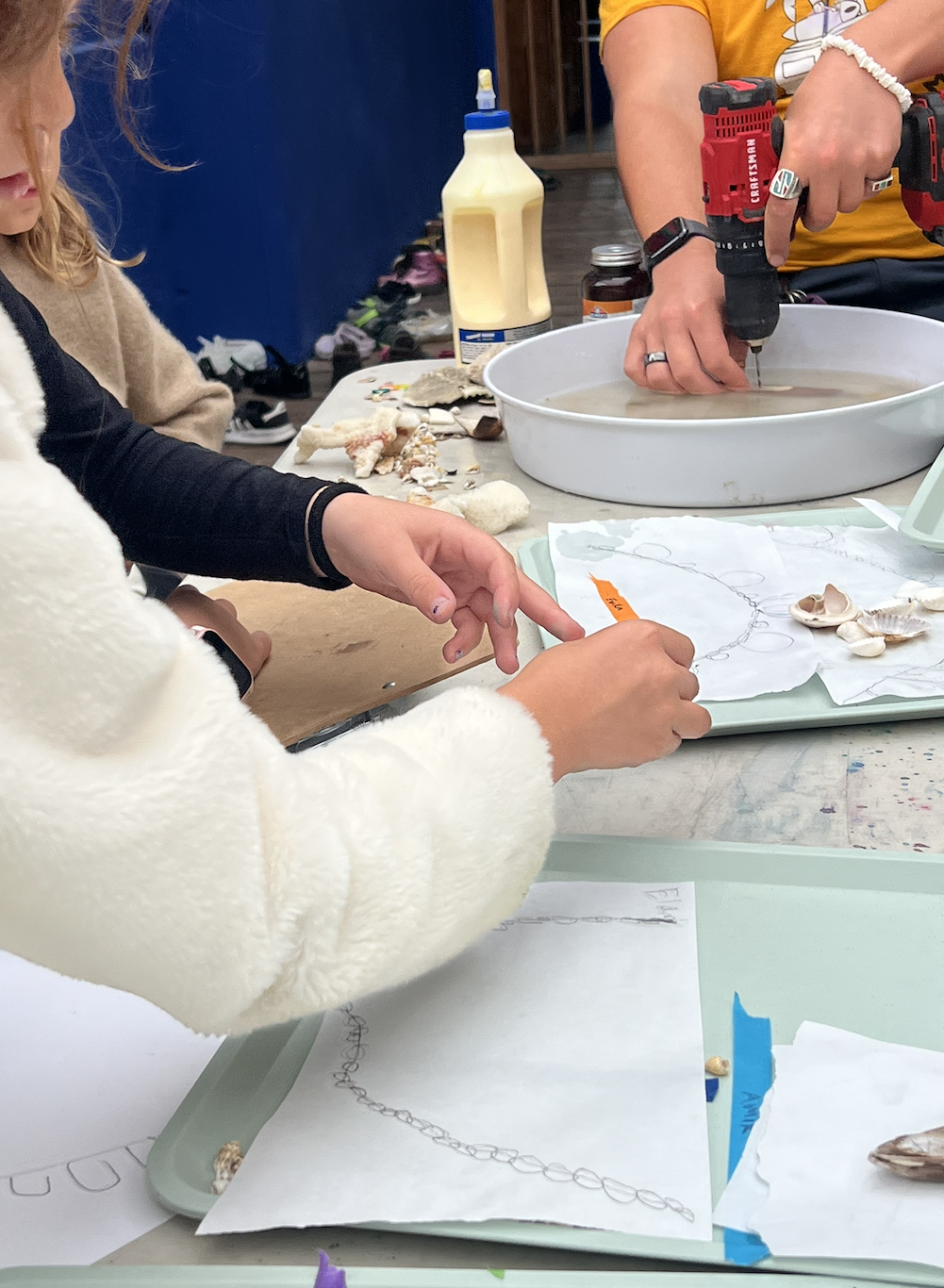
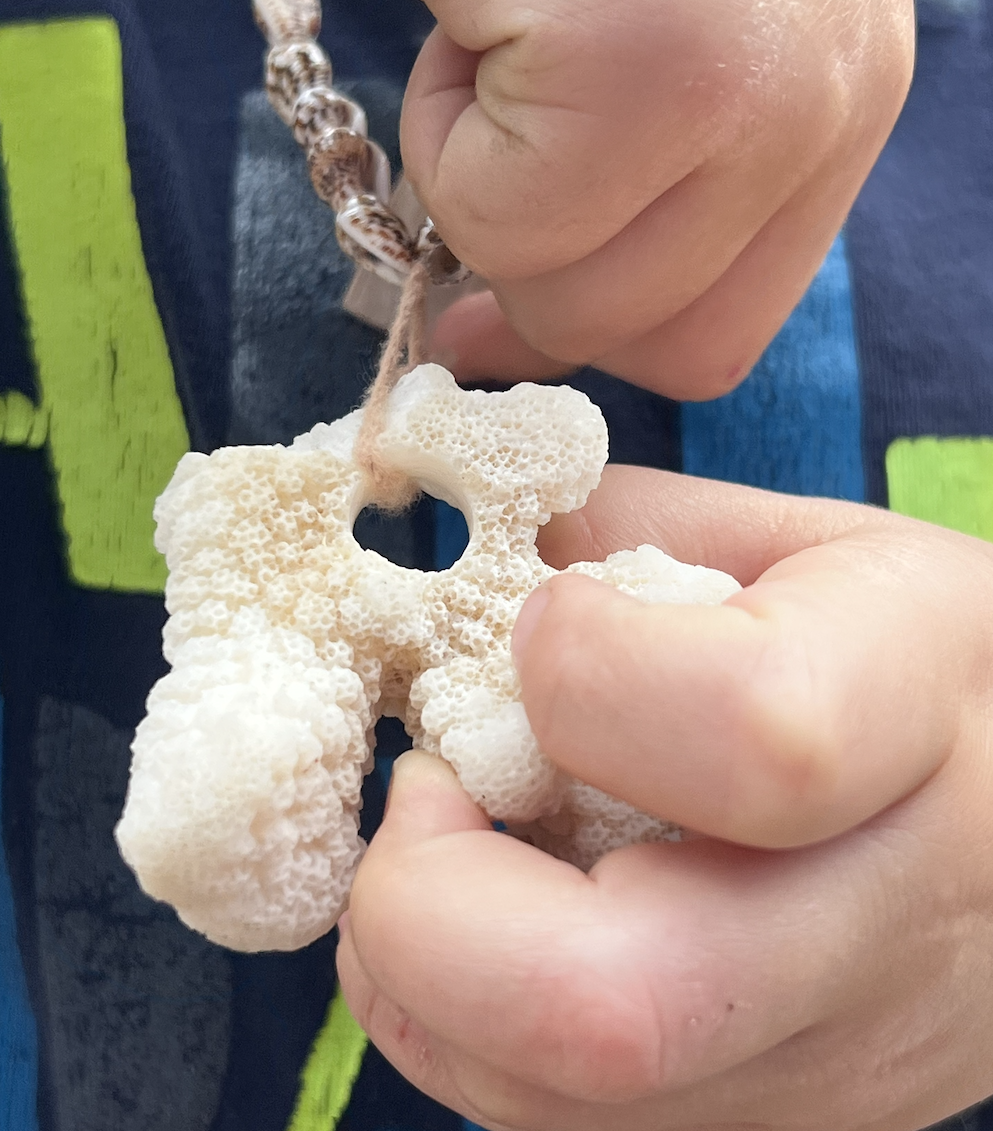
Each child started by sketching a design on paper, planning the shapes, colors, and patterns they wanted to include. Then, they carefully selected shells, exploring their textures and shades to find just the right ones for their vision. Using string, the children assembled their final pieces — each one an expression of their own aesthetic sensibility, rooted in the material knowledge of the Ohlone.
For the Ohlone, jewelry was never merely decorative. Shells — particularly the small, disk-shaped beads made from olivella shells — served as a form of currency exchanged between villages and across trade networks that stretched far beyond the Bay Area. Abalone shells, with their shifting iridescent colors, were among the most prized materials, used in necklaces, earrings, and hair ornaments worn during ceremonies and gatherings. Clamshell disks were ground and polished into precise round beads, a process that required hours of patient work against a sandstone grinding stone. Feathers, bone tubes, and seeds were woven alongside shells to create pieces that carried social meaning: what you wore communicated your family, your status, and your connection to the land. Children making their own necklaces began to understand that every shell they threaded had been chosen — not randomly, but with the same intention they were now bringing to their own designs.
Music from the Earth
Children were fascinated to learn that the Ohlone people made flutes from reeds and hollow bones — instruments that connected players to nature and to community. Inspired by this tradition, they set out to make their own, using bamboo and natural materials.
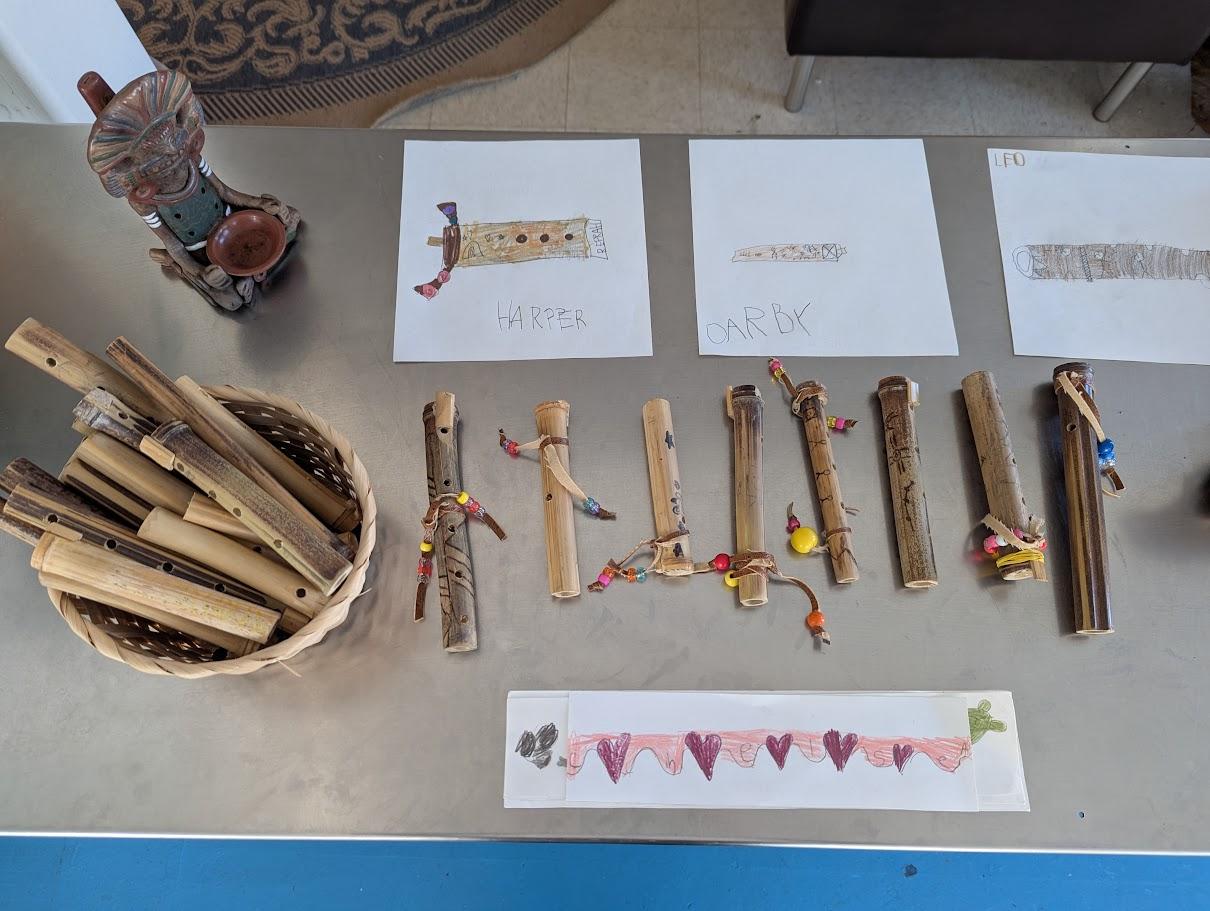
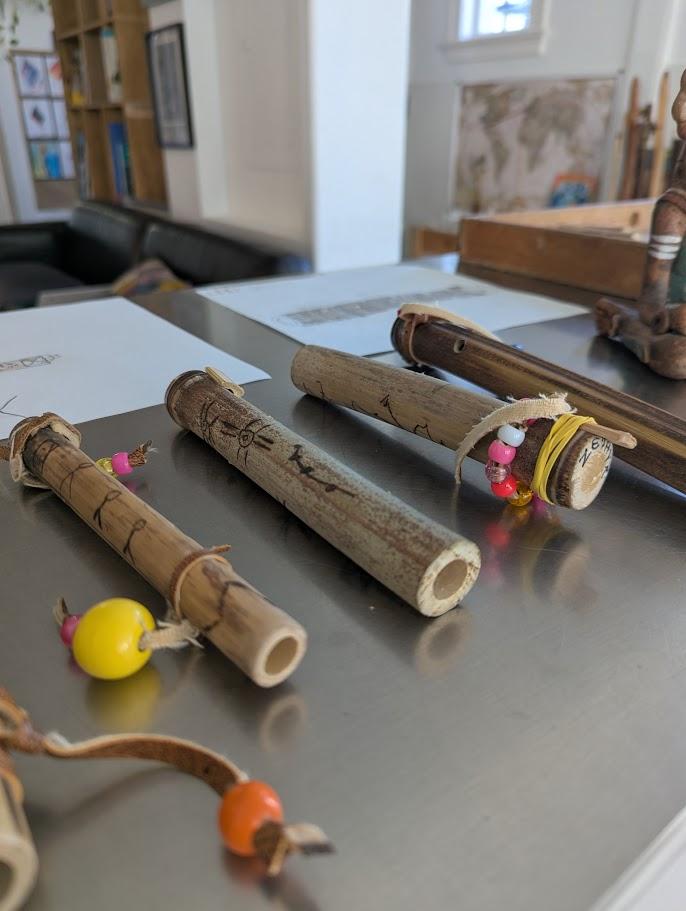
The physics surprised them. Changing the length of the bamboo changed the sound. Moving a hole changed the pitch. These were not just craft discoveries — they were scientific ones. The children were doing acoustics, even if no one had called it that.
"Each material offers a different way of seeing, feeling, and understanding the world. Children learn through their hands as much as through their minds."
The flute project made visible something that is often invisible in school: the continuity between ancient human ingenuity and the curiosity of children today. The Ohlone people solved the same problem — how to make music from what the land offers — that these children were solving in the classroom. Thousands of years and a world of change separated them. The joy of the sound was the same.
Making Paint from the Earth
The adobe tile project required the most patience of anything the children undertook that year. Mixing the adobe — soil, clay, water, straw — and spreading it onto a wooden base was only the beginning. The mixture needed time to transform from a wet paste into something solid that could hold a decoration.
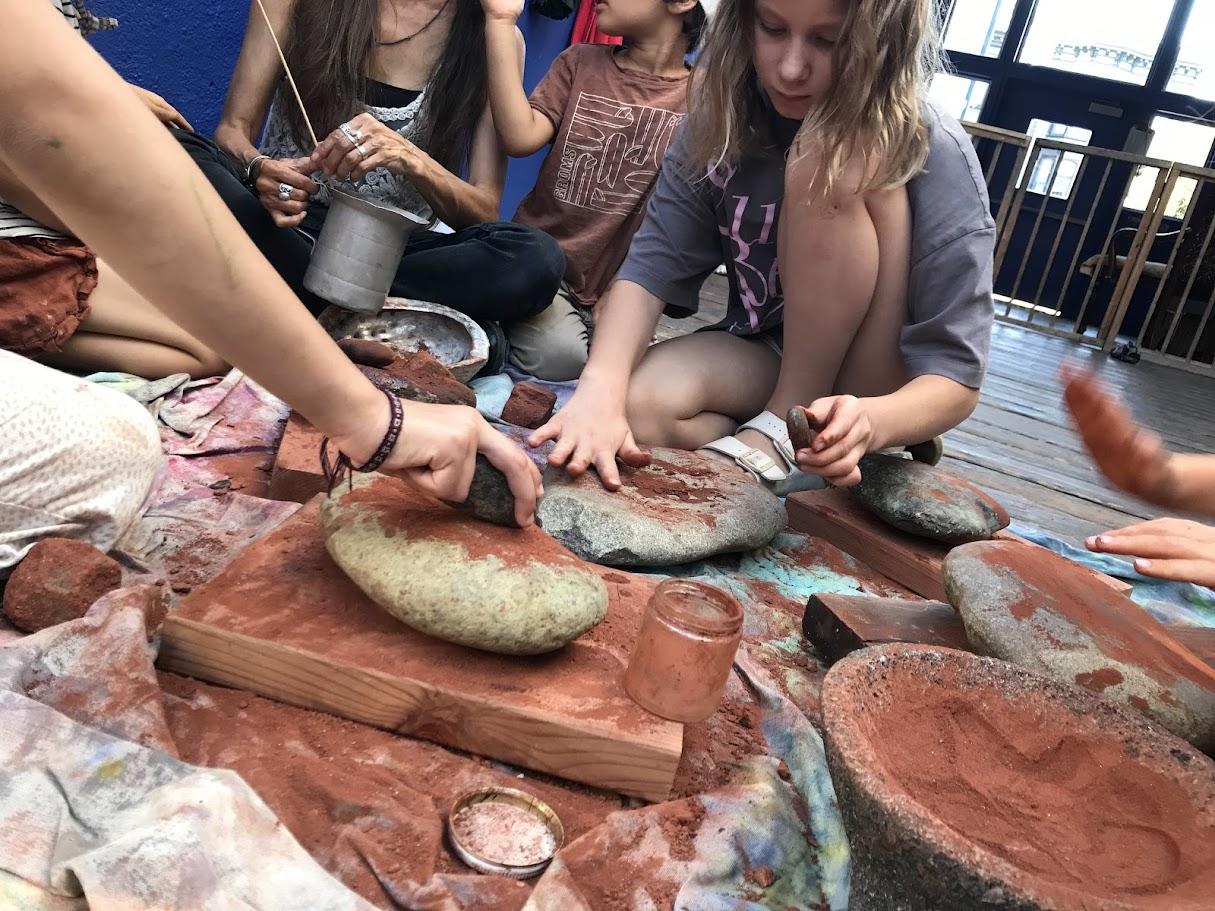
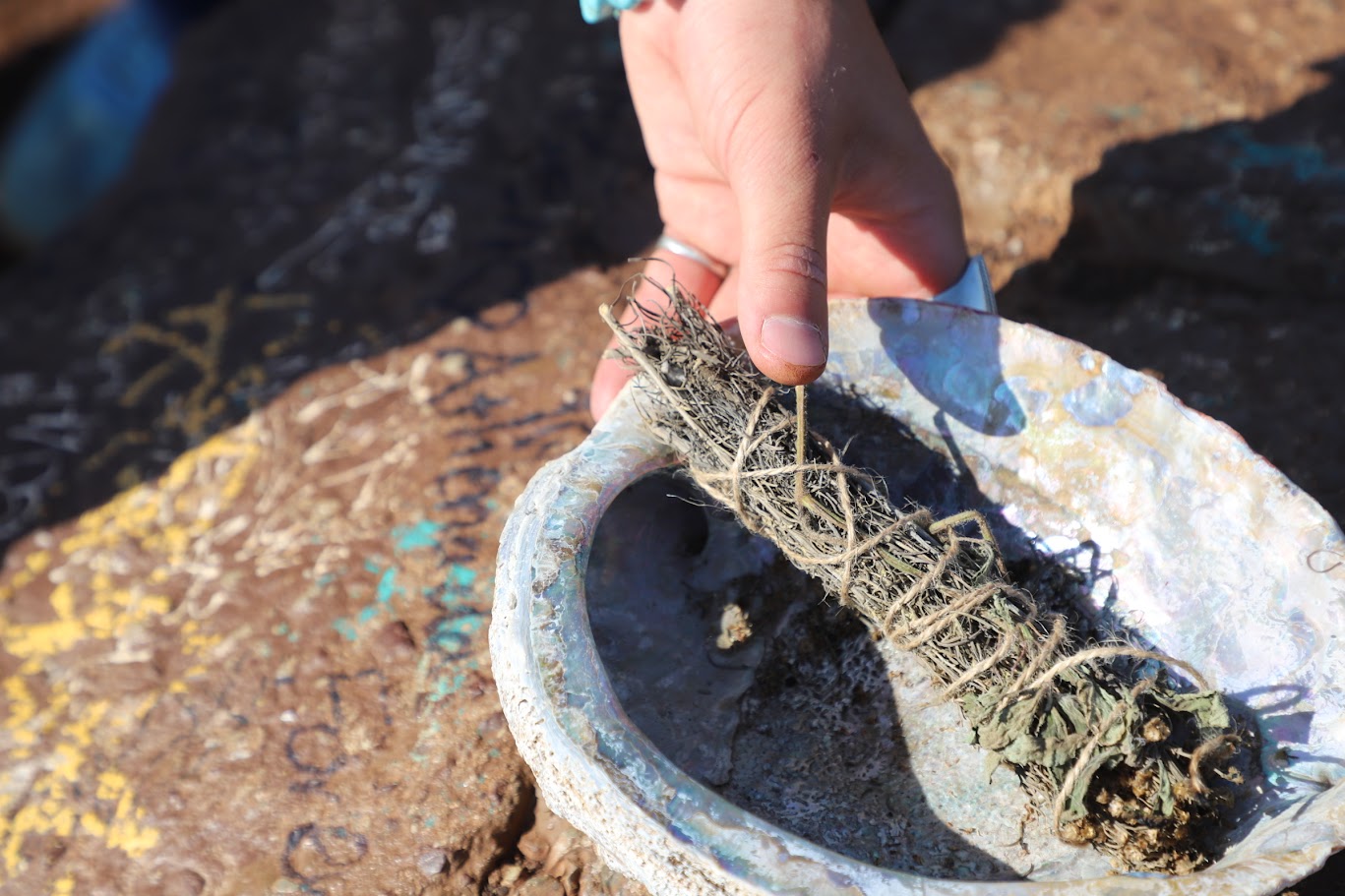
While the adobe dried, children turned to making natural pigments. They gathered leaves, small stones, and bits of colored earth, then ground them into powder and mixed them with water to produce paint. This process — the deliberate transformation of raw materials into usable substances — stayed with them.
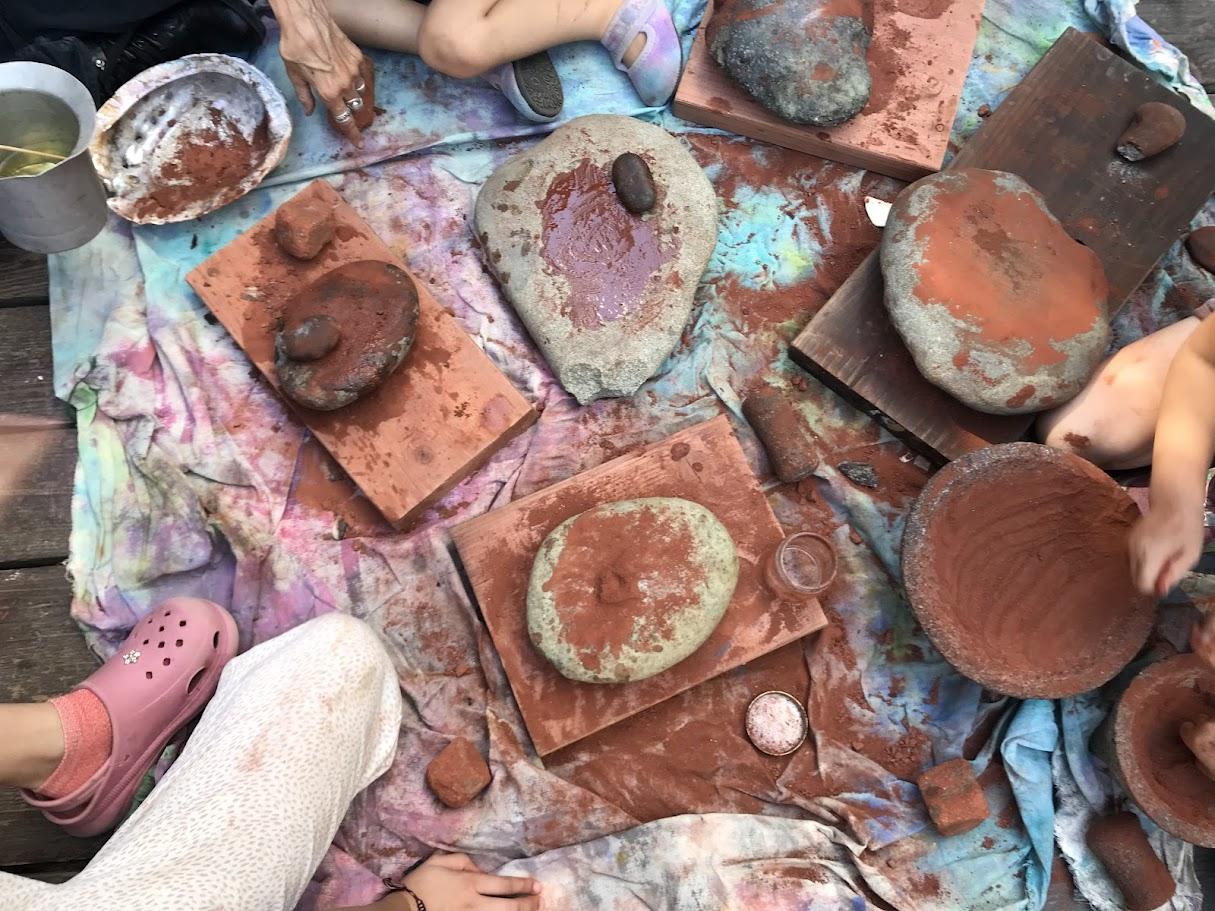
"Materials are not just tools for making — they are languages for thinking, expressing, and discovering."
When children painted their dried tiles with shapes and patterns inspired by Ohlone art, they were acting on the understanding that everything they had used — the earth, the water, the stones — had once been gathered and transformed by Ohlone hands, in this same place, on this same land.
Field Trip to Twin Peaks
Halfway through the year, the inquiry stepped outside. A field trip to Twin Peaks — one of the highest points in San Francisco, a place the Ramaytush Ohlone knew well — brought the timeline off the classroom wall and into the landscape itself. For the Ramaytush Ohlone, Twin Peaks was not simply a high point in the terrain. It was a place of orientation and significance, where the sweep of the bay, the surrounding hills, and the movements of weather and wildlife could all be read at once. From its summit, one could track the migration of birds, observe the tides, and navigate across the peninsula. It was a place to see the whole of the land that sustained life — and for that reason, a place of deep meaning. When children stood there for the first time, they were standing where Ohlone people had stood for thousands of years, looking out over the same water, the same hills, the same arc of horizon.
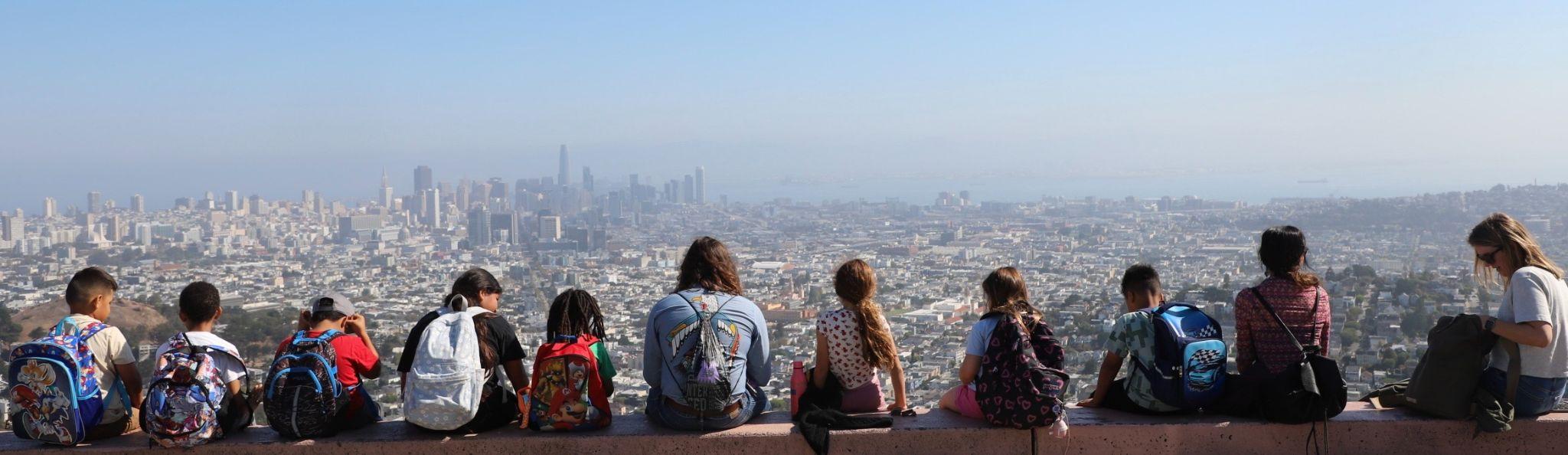
From Twin Peaks, the children could see the city that had grown over the Ohlone homeland. They could also see the bay, the hills, the water that had fed and shaped human life here for thousands of years. The contrast — between the ancient land and the modern city built on top of it — became physically visible in a way that no book could have achieved.
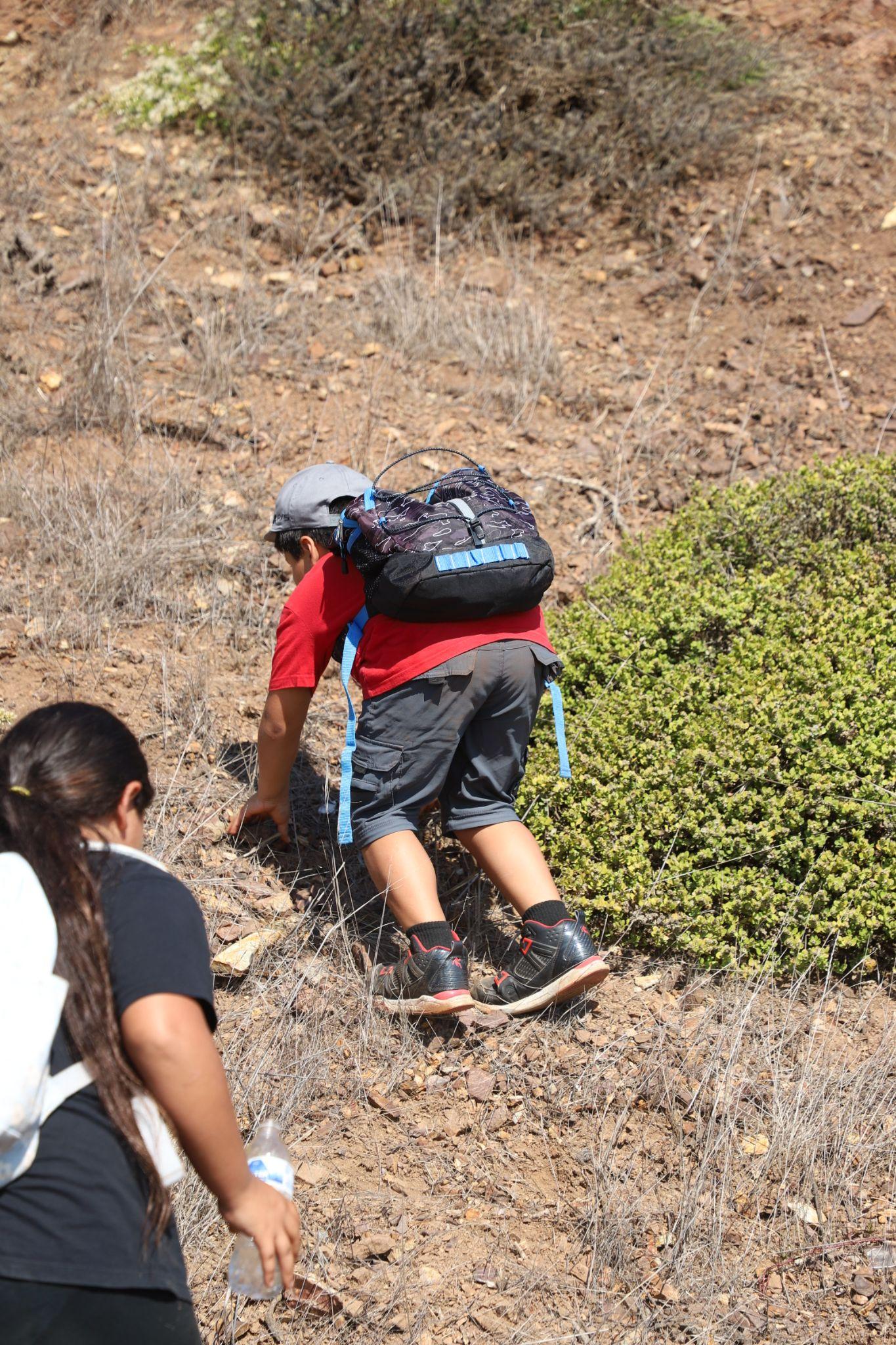
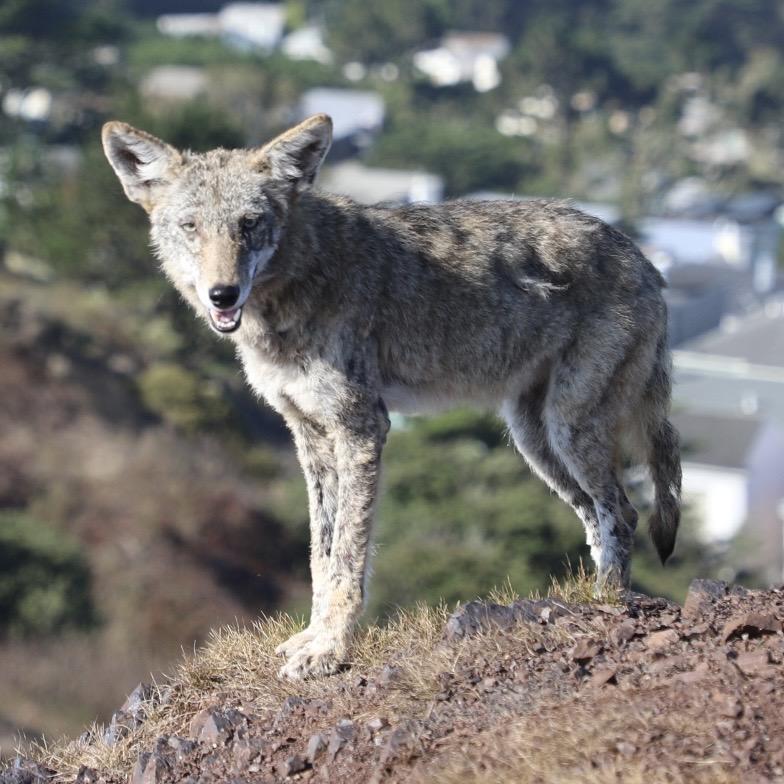
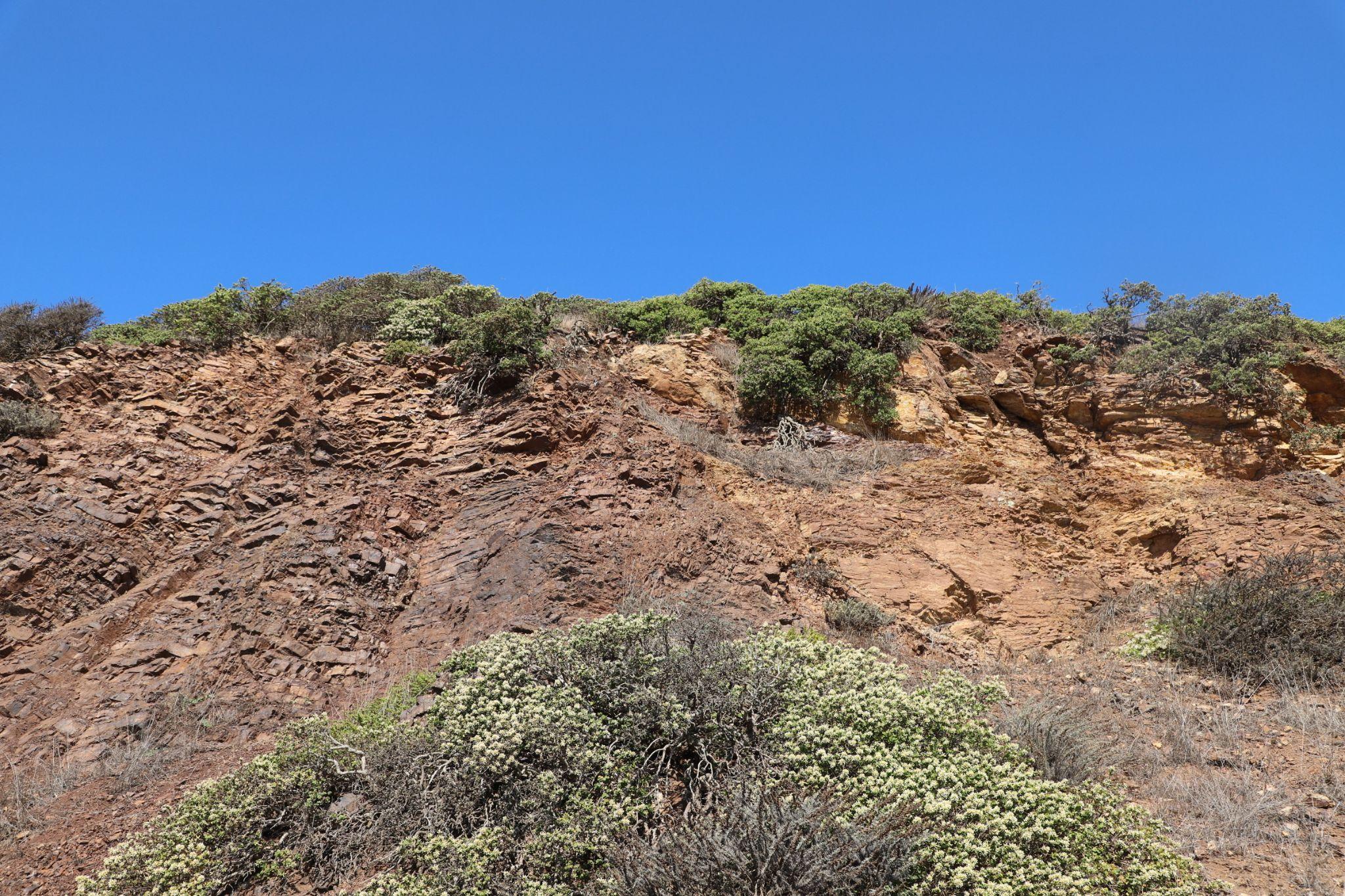
This is what field study offers that classroom work cannot: the sense of being there. Of standing in a place with a real history, and feeling the weight of time in your body, not just your mind. For young children especially, the physical experience of a place unlocks something that no book, photograph, or classroom conversation can fully reach. When a child crouches down to touch the dry coastal scrub of Twin Peaks, or feels the wind come off the bay, or spots a coyote moving through the brush, they are no longer imagining the Ohlone — they are inhabiting, however briefly, the same sensory world. Research becomes memory. History becomes ground beneath your feet. Field trips also invite children to ask questions they would never think to ask inside four walls: Why does the grass look like this? What did it smell like before the city came? Could you see the same stars from here? These are not questions born from a lesson plan — they are questions born from being alive in a place. And it is precisely those questions, unexpected and unscripted, that tend to go the deepest.
Shaping Stone: Making Arrowheads from Chert
One of the most technically demanding projects of the year was also one of the most ancient: making arrowheads from Franciscan chert — the same stone the Ramaytush Ohlone used for thousands of years to create tools for hunting, cutting, and survival.
Chert is a hard, fine-grained rock that fractures predictably when struck correctly — a property called conchoidal fracture that makes it ideal for knapping, the technique of shaping stone by carefully removing flakes. The Ohlone mastered this process over generations, passing knowledge of pressure, angle, and force from hand to hand. The children's task was to enter that same tradition, however partially — to understand through their hands what words and images alone cannot convey.
The stones they worked with were not bought or brought in from elsewhere. During the field trip to Twin Peaks, children had gathered them themselves — picking up pieces of chert and other stones directly from the hillside, pocketing them carefully for what they already knew would come next. That act of collection turned out to matter enormously. A stone found on the same land the Ohlone had walked, carried back to the classroom in a child's own hands, carries a different weight than one handed out from a supply box. When the time came to shape those stones into arrowheads and spear points, the children already had a relationship with the material — they knew where it came from, and they had chosen it themselves.
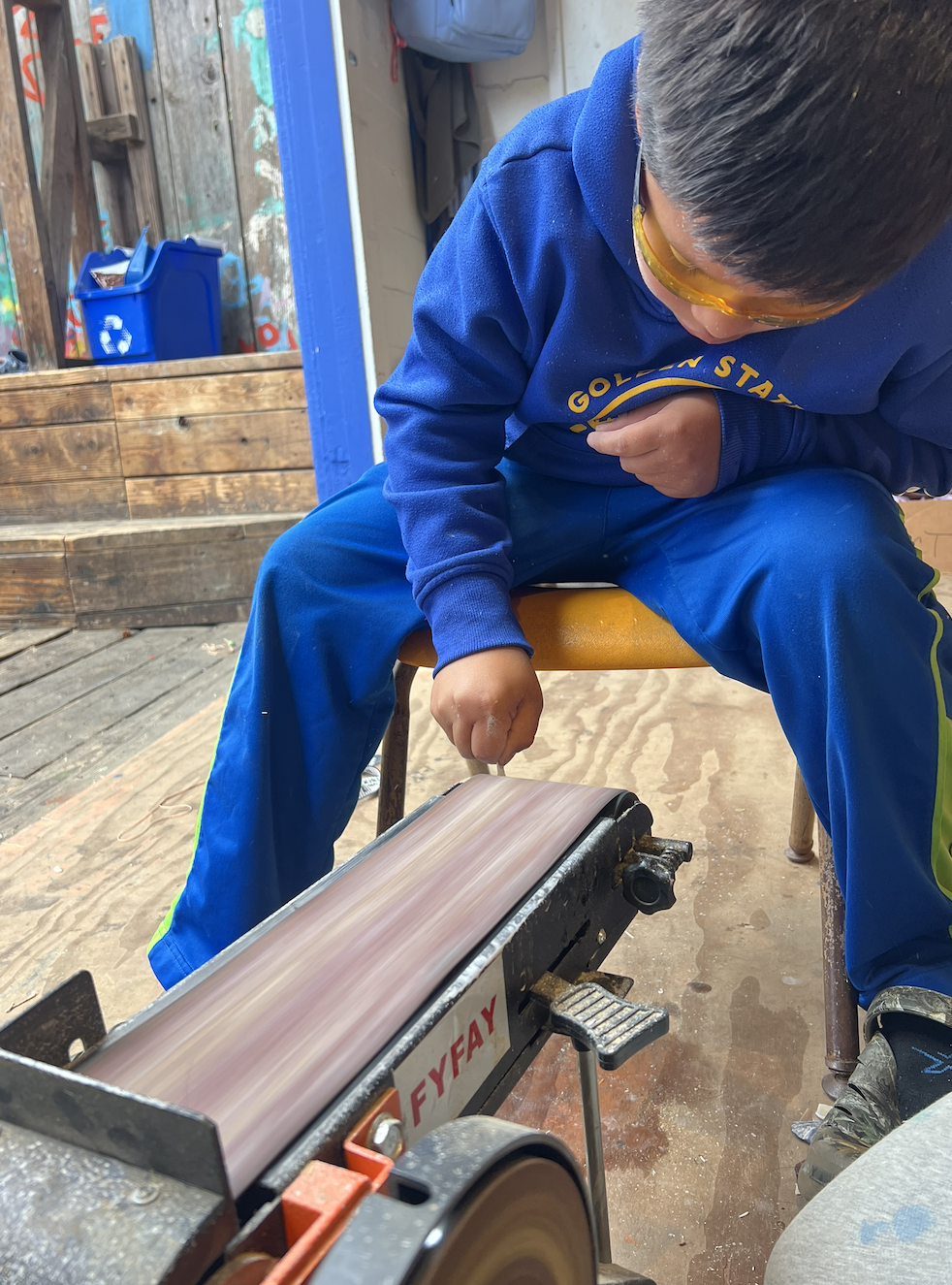
Working with stone is slow. It does not respond to impatience. Children who had never held a piece of chert had to learn to read the material — to feel where it wanted to break, to understand that a wrong strike can undo minutes of careful work. This is exactly the kind of learning that cannot be rushed or summarized: it lives in the hands, and it builds a respect for the craft and knowledge of the people who developed it.
Tule — Figures, Houses, and the Work of Weaving
Tule is a type of marsh reed that grows in wetlands across the western United States, especially California. Indigenous peoples — the Ohlone, Miwok, Yokuts, and others — have used tule for centuries: building homes, making boats, mats, baskets, toys, and decorative figures. It is a material that carries entire ways of life within its fibers.
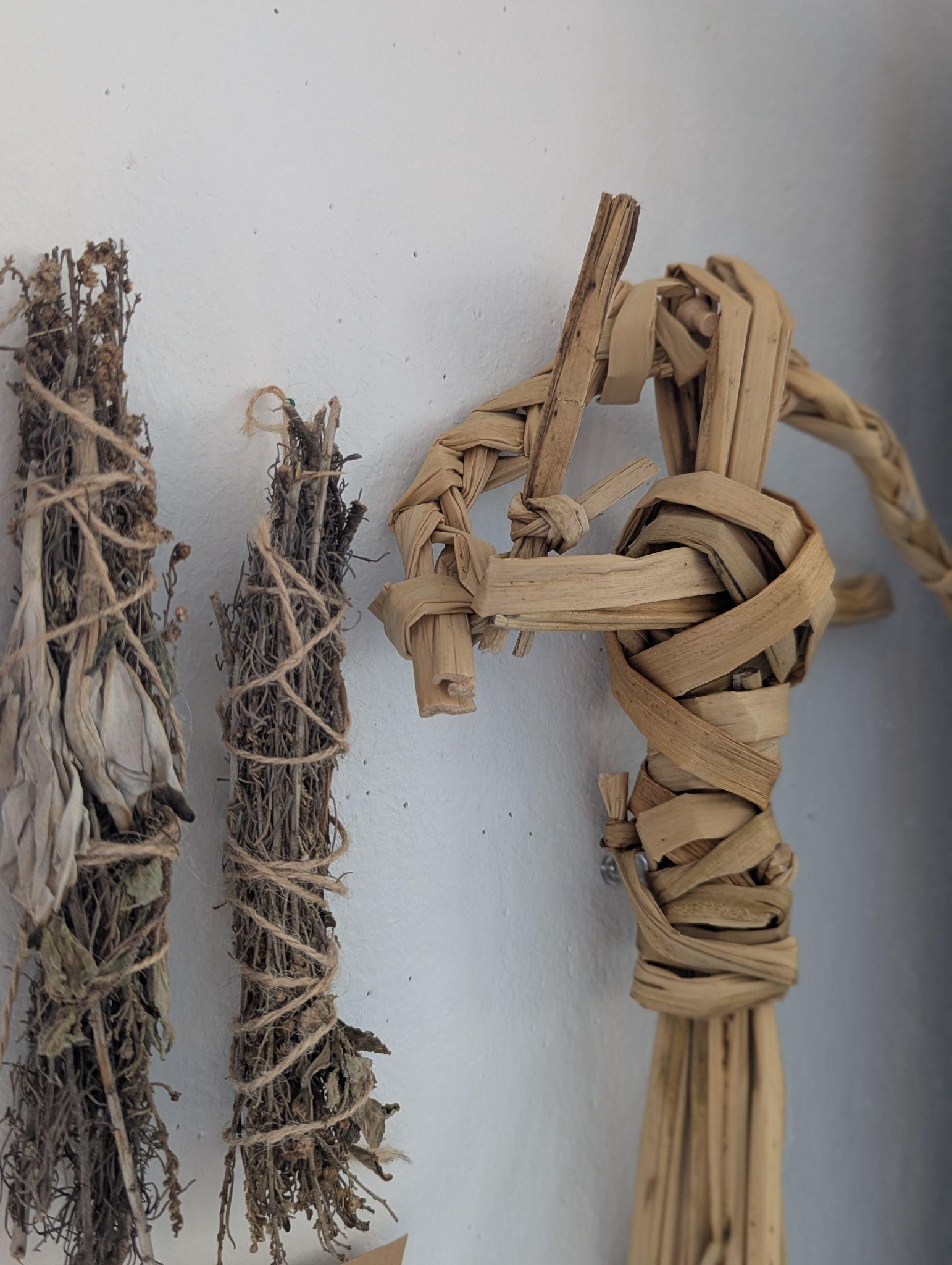
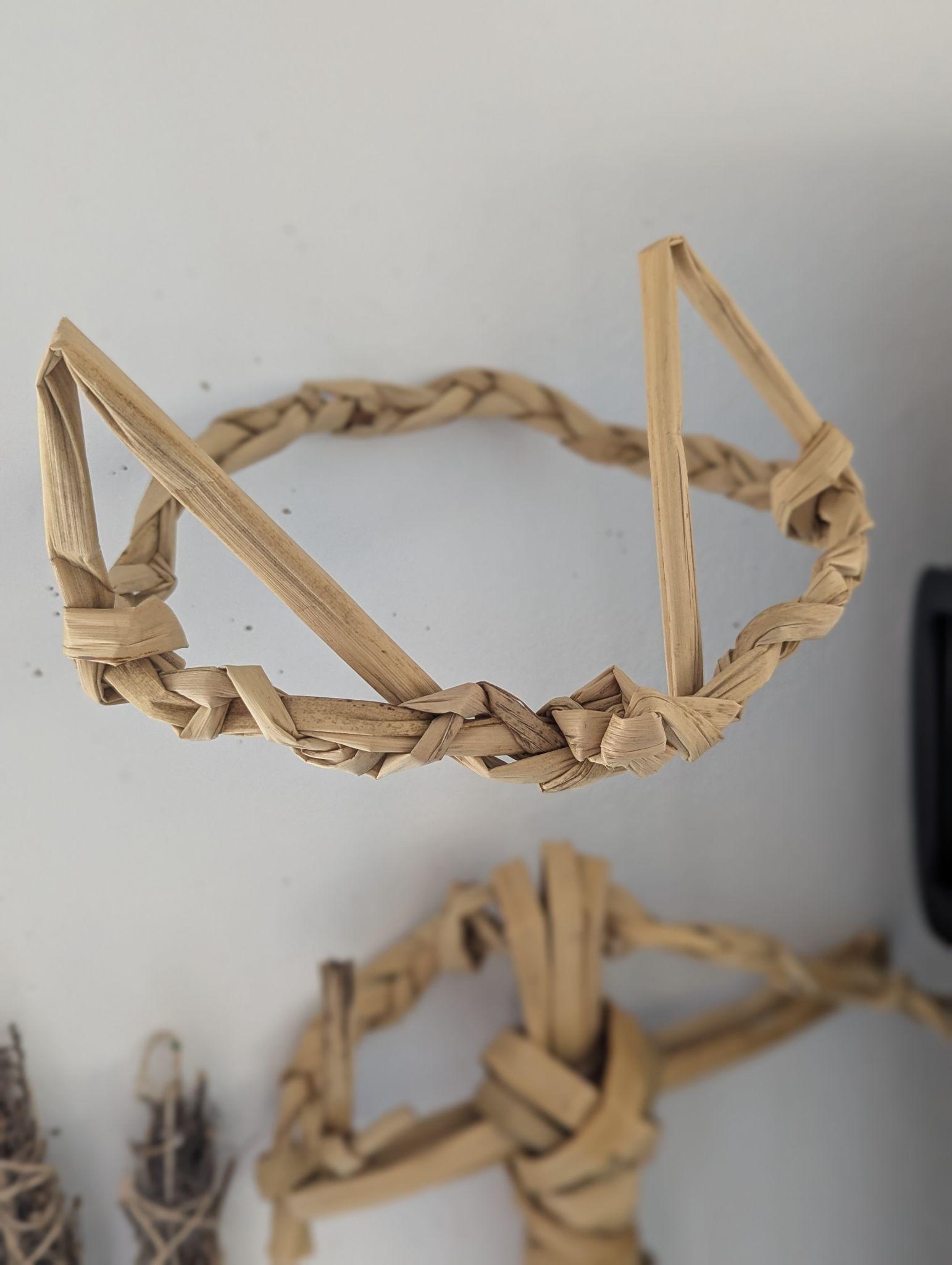
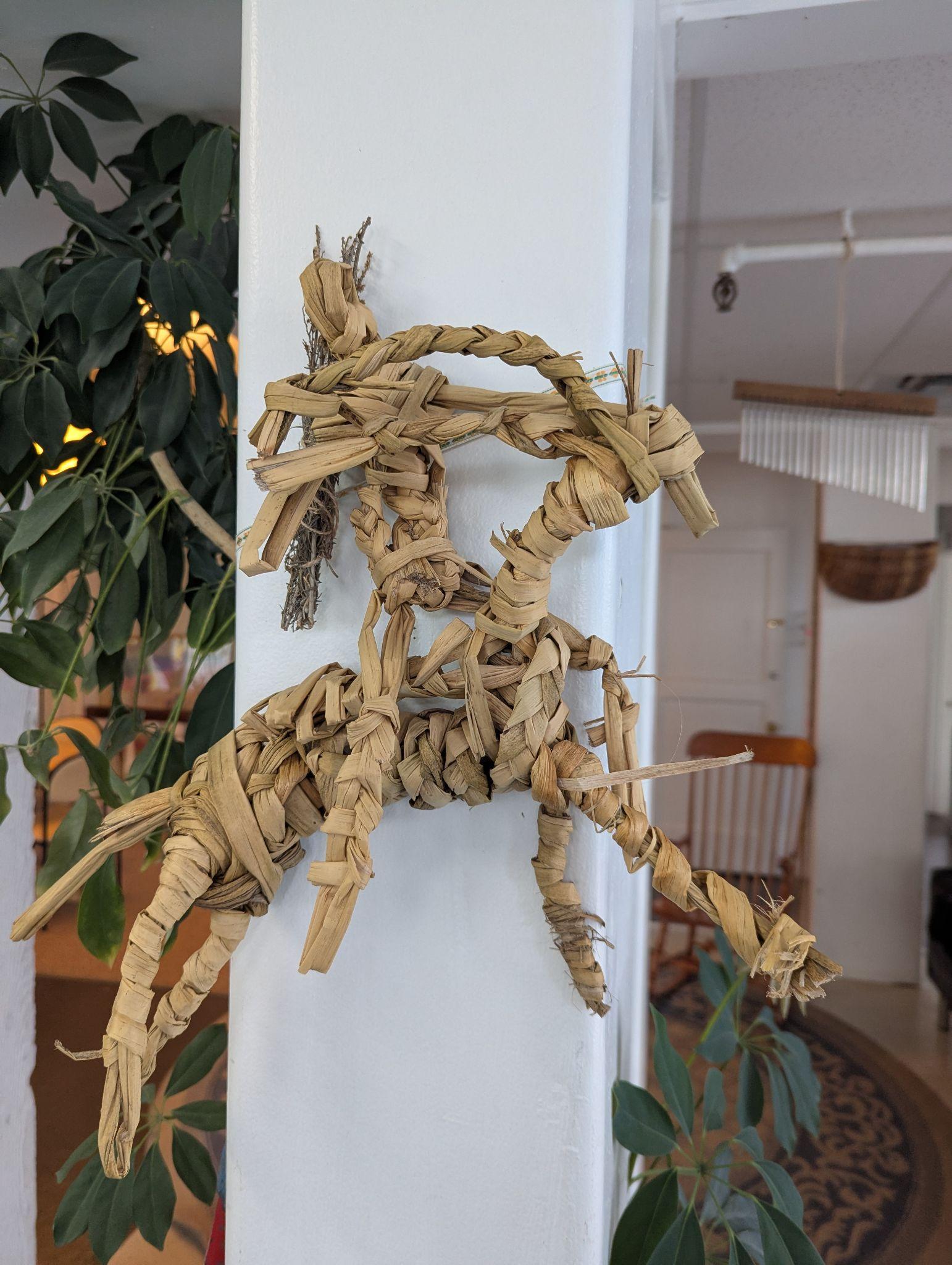
Tule figures are created by bundling, twisting, and tying the reeds into shapes — people, animals, or symbolic forms — often used for teaching, storytelling, or cultural activities that keep traditional skills alive. The children discovered that the process is both meditative and demanding: the reeds want to spring back, joints must be tied firmly, and the final form emerges slowly from negotiation between the maker's intention and the material's resistance.
Team work was central to this project. When children create with their hands and work together on a shared project, something particular happens — they explore ideas, solve problems, communicate, listen, and build on each other's strengths. These experiences not only develop confidence and independence; they help children understand the value of making something together.
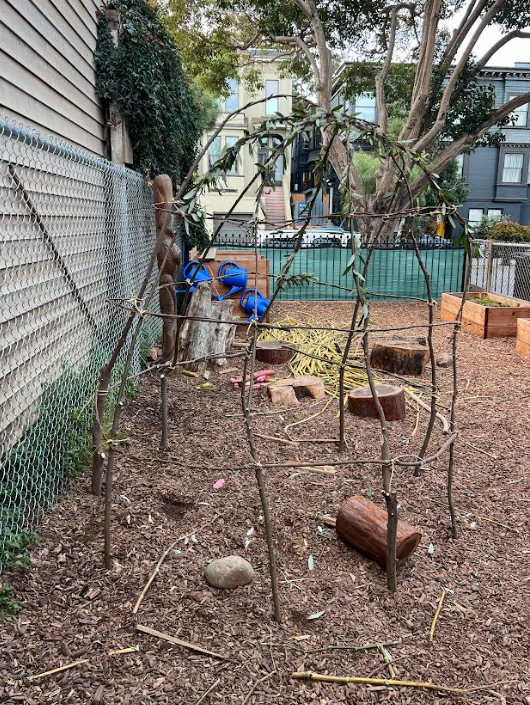
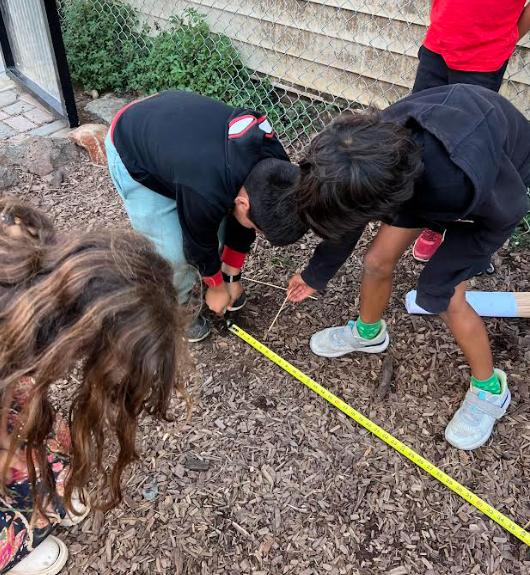
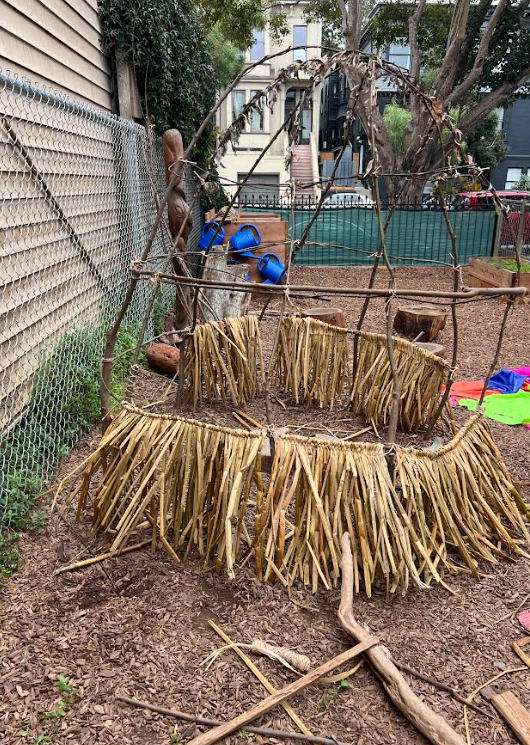
Tule Houses — and Why Buildings Are Made the Way They Are
Near the end of the year, the children returned to a question that had been circling throughout: how did the Ohlone build their homes? What were tule houses made of, and why? And from there, a bigger question opened up — one that connected the ancient past to the present moment in which these children live.
Teacher Teddy invited a discussion: why are houses made of different materials in different places and different times?
"It depends on the resources around them."
"People want to find the stronger materials."
"With wood you can make houses and also lots of other things."
"Puedes usar tornillos para aguantar mejor las partes de una construcción."
"Now you can also build with modern materials like glass — yes, this is great for windows, to look through walls."
"You can also take into account how expensive it is to build!"
The conversation kept going. It moved from resources to risk — fires, earthquakes, the particular vulnerabilities of San Francisco. It moved from the practical to the physical: what is the difference between toughness and strength? It moved from the past to the present: what is the school made of?
"Si estás cerca de un bosque tiene sentido que construyas con madera."
"But then it's easier to burn the house if there's a fire, like it happened here in San Francisco."
"For earthquakes maybe it's better to have a base made out of concrete — a strong foundation."
"But toughness and strength are different."
"What is the school made of?"
Lian's last question is the kind that documentation exists to preserve. It is small. It is concrete. And it is also a question about continuity — about the relationship between the materials the Ohlone used, the materials that built this city, and the building the children sit in every day. The timeline on the wall had come into the room.
Open Questions on the Wall
By the end of the year, two questions had been written on a card and pinned to the timeline:
Where are the Ohlone people now?
How did technology keep changing?
These questions were not left unanswered because the project ran out of time. They were left open because they are genuinely open — questions that adults are still grappling with. Leaving them on the wall was a pedagogical choice: a way of telling children that some questions are too important to close.
The children spent a year learning about the Ohlone people — their tools, their art, their homes, their relationship to the land. They also learned, somewhere along the way, that the Ohlone did not disappear when the city arrived. That there are living Ramaytush Ohlone people today. That history is not only past. And that questions like Where are they now? matter enormously — not as school topics, but as human questions about justice, memory, and belonging.
A Reflection on This Documentation
What teacher Teddy built over the course of this year is a model of how curriculum can work when it is genuinely responsive: starting from a chance encounter, following children's questions, trusting that if you go deep enough into one thread — the history of tools, the craft of the Ohlone, the question of why buildings are made the way they are — you will arrive, eventually, at everything that matters.
The children made things with their hands that connected them to people who lived here thousands of years ago. They stood on Twin Peaks and saw the city built on top of that history. They debated the physics of earthquakes and fires. They asked who is still here.
Documentation in the Reggio Emilia tradition is not a summary. It is a way of making thinking visible — for the children who did the thinking, for the families who were not in the room, and for other educators who want to see what it looks like when curiosity is trusted and followed. This documentation is offered in that spirit. The thinking was Teddy's and the children's. The record is an act of care for what they built together.